IoT in Logistics: Benefits, Use Cases, and Future Trends
IoT in logistics enables real-time tracking, temperature monitoring and predictive maintenance. Discover benefits, use cases and implementation strategies.
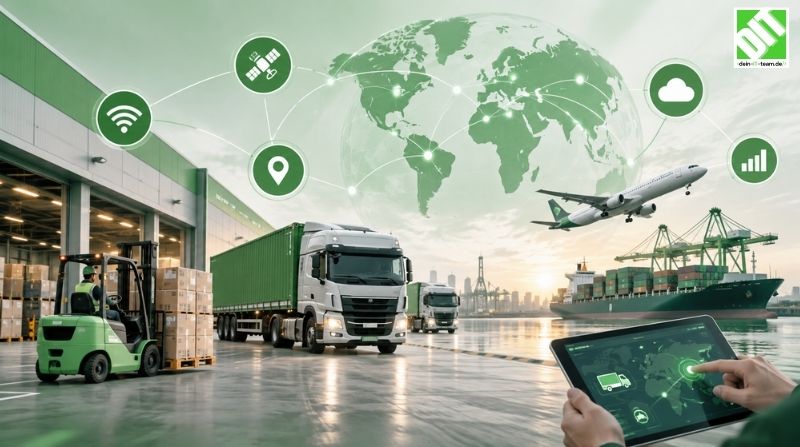
IoT in logistics represents a revolutionary shift in how businesses manage supply chains, track assets and optimize operations. The logistics industry has traditionally relied on manual tracking, paper-based documentation and reactive problem-solving creating inefficiencies, delays and costly errors. Internet of Things technology transforms this landscape by connecting devices, sensors and systems enabling real-time visibility across entire supply chains.
Modern logistics companies face unprecedented pressure to deliver faster, cheaper and with greater transparency. Customers demand real-time tracking of their orders. Regulatory requirements mandate compliance documentation. Competitors leverage advanced technologies gaining competitive advantages. IoT services enable businesses to connect vehicles, warehouses, packages and infrastructure creating intelligent logistics networks that optimize routes, reduce costs and improve customer satisfaction.
IoT in logistics encompasses sensor technology, real-time data collection, cloud connectivity and advanced analytics transforming how goods move through supply chains. GPS sensors track vehicle locations enabling route optimization. Temperature sensors monitor perishable goods ensuring quality preservation. RFID tags provide inventory visibility eliminating manual counting. Weight sensors detect overloading preventing accidents and regulatory violations. Integration of these technologies creates comprehensive visibility enabling data-driven decision making throughout logistics operations.
This comprehensive guide explores IoT in logistics in depth examining practical benefits, real-world use cases, implementation challenges and future trends. Whether you operate a fleet of vehicles, manage distribution centers, handle perishable goods or coordinate complex supply networks, understanding IoT applications enables you to stay competitive in increasingly digital logistics industry.
Key Takeaways
IoT in logistics enables real-time visibility across supply chains through connected sensors and devices improving operational efficiency and reducing costs significantly.
Real-time tracking using GPS sensors reduces fuel consumption, improves delivery accuracy and enhances customer satisfaction through delivery status transparency.
Temperature and humidity monitoring for perishable goods maintains product quality and reduces spoilage protecting revenue and brand reputation.
Predictive maintenance using IoT sensor data prevents equipment failures reducing downtime and extending asset lifespan improving profitability.
Automated inventory management through RFID and sensors eliminates manual counting reducing errors and freeing staff for higher-value activities.
IoT-enabled route optimization reduces transportation costs and delivery times providing competitive advantage in cost-conscious logistics industry.
Data analytics derived from IoT sensors enable informed decision making identifying bottlenecks and optimization opportunities across operations.
Integration with existing logistics systems ensures seamless data flow from sensors through processing to actionable insights without disrupting operations.
Scalable IoT solutions accommodate business growth without requiring proportional increases in infrastructure enabling efficient scaling.
Future IoT logistics trends include autonomous vehicles, blockchain integration, AI-powered predictive analytics and edge computing enabling increasingly intelligent operations.
Understanding IoT in Logistics
What is IoT in Logistics?
IoT in logistics refers to the deployment of Internet of Things devices and sensors throughout supply chains enabling real-time data collection, monitoring and analysis. These connected devices communicate wirelessly with central systems collecting data about locations, conditions, movements and status of goods, vehicles and infrastructure. Rather than relying on periodic manual updates or batch data collection, IoT creates continuous data streams providing complete visibility into logistics operations.
IoT devices in logistics include GPS trackers monitoring vehicle locations, temperature sensors tracking environmental conditions, weight sensors measuring loads, RFID tags identifying and tracking products, and motion sensors detecting handling events. These devices connect through cellular networks, satellite communication or local wireless networks transmitting data to cloud platforms where advanced analytics extract insights and trigger automated responses.
The scope of IoT in logistics extends across entire supply chains from manufacturing facilities through distribution centers to final delivery destinations. Manufacturers use IoT sensors monitoring production and packaging. Warehouses track inventory location and condition. Distribution centers optimize picking and packing operations. Vehicles report location and status continuously. Delivery recipients confirm receipt automatically. This end-to-end visibility eliminates information gaps enabling seamless coordination.
Why IoT Matters for Logistics
Logistics represents one of the largest cost centers for most organizations. Transportation expenses constitute 5 to 10 percent of product costs. Inventory holding costs accumulate when goods move slowly through supply chains. Damaged goods during transit create write-offs. Inefficient routes waste fuel. Manual processes consume labor. IoT technology addresses these challenges by enabling optimization across multiple dimensions simultaneously.
Customer expectations have shifted dramatically toward transparency and speed. Customers demand knowing exactly where their packages are at any time. Late deliveries damage business relationships and trigger refunds. Damaged goods create negative experiences. IoT enables meeting these expectations by providing real-time visibility and enabling proactive problem resolution.
Regulatory compliance requirements in logistics have become increasingly complex. Temperature-controlled shipping requires documentation proving temperatures remained within acceptable ranges. Weight restrictions prevent overloading. Driver hours regulations mandate tracking driving time. IoT automates compliance documentation reducing administrative burden while ensuring accuracy.
Competitive pressure intensifies as logistics companies compete on cost, speed and reliability. Companies leveraging IoT gain advantages through lower costs from optimization, faster delivery from better routing, and improved reliability from predictive maintenance. Competitors lacking IoT capabilities gradually lose market share.
How IoT Works in Logistics
Real-Time Vehicle Tracking
GPS sensors installed on vehicles transmit location data continuously enabling real-time tracking of vehicle positions. Dispatch systems visualize fleet locations enabling efficient assignment of jobs to nearest vehicles. Customers view delivery status tracking their packages in real-time improving satisfaction. Historical location data identifies traffic patterns enabling route optimization reducing fuel consumption and delivery times.
Geofencing technology creates virtual boundaries alerting dispatchers when vehicles enter or exit specific areas. Fleet managers receive alerts when vehicles deviate from planned routes enabling quick intervention if drivers take unauthorized detours. Geofence boundaries trigger automatic actions like opening loading dock doors as vehicles approach facilities.
Integration with traffic services enables route planning around congestion reducing delivery times. Real-time traffic updates modify routes dynamically as conditions change. Historical data identifies optimal times for specific routes avoiding predictable congestion. Arrival time predictions improve accuracy enabling better customer communication.
Temperature and Environmental Monitoring
Temperature sensors continuously monitor conditions inside vehicles and storage facilities ensuring perishable goods remain in specified temperature ranges. Alert systems notify managers immediately if temperatures deviate from acceptable ranges enabling quick corrective action before goods spoil. Historical temperature logs provide compliance documentation for regulatory inspections.
Humidity sensors prevent condensation damage for moisture-sensitive products. Motion sensors detect rough handling potentially damaging goods in transit. Light sensors prevent exposure damage for light-sensitive materials. Integrated environmental monitoring protects product quality throughout supply chains.
Blockchain integration with temperature records creates immutable audit trails proving product authenticity and quality for high-value goods like pharmaceuticals and specialty foods.
Inventory Management and Tracking
RFID tags attached to products and pallets enable automatic identification as goods move through supply chains. Readers installed at loading docks, warehouse shelves and vehicle doors automatically scan tags requiring no manual intervention. Inventory systems update automatically as goods move eliminating manual counting and associated errors.
Location tracking within warehouses identifies exactly where products sit on shelves reducing picking time and errors. Automated warehouse systems use location data from tags to direct items directly to packing stations reducing unnecessary movement. Real-time inventory visibility enables better stock decisions preventing stockouts or overstock situations.
Barcode scanning integrated with IoT provides additional verification ensuring right items move to right destinations. Integration with order management systems automatically matches picked items to customer orders preventing fulfillment errors.
Predictive Maintenance
IoT sensors on vehicles and equipment monitor mechanical conditions detecting signs of impending failures. Vibration sensors identify bearing wear. Temperature sensors detect engine overheating. Fluid analysis sensors monitor oil condition. These signals trigger maintenance alerts before failures occur.
Predictive maintenance reduces breakdowns that cause missed deliveries and expensive emergency repairs. Scheduled maintenance occurs during planned downtime rather than causing unexpected shutdowns. Extending equipment lifespan through proper maintenance reduces capital expenditure on replacements.
Maintenance records linked to sensor data create complete equipment histories enabling better purchasing decisions and spare parts inventory optimization.
Key Benefits of IoT in Logistics
Reduced Operational Costs
IoT-enabled route optimization reduces fuel consumption through efficient routing avoiding congestion and unnecessary distance. Vehicles travel less distance completing more deliveries per route reducing per-delivery transportation costs. Reduced fuel consumption provides environmental benefits supporting sustainability goals.
Predictive maintenance prevents expensive breakdown repairs. Equipment serviced before failure avoids towing costs and rush repairs at expensive service facilities. Extending equipment lifespan reduces capital expenditure on replacements. Optimization of spare parts inventory based on historical data reduces inventory carrying costs.
Labor efficiency improves when employees focus on high-value activities rather than manual tasks. Automatic inventory tracking eliminates manual counting. Optimized routing reduces driving time enabling more deliveries per driver. Exception-based management focuses human attention on actual problems rather than routine monitoring.
Improved Delivery Accuracy and Customer Satisfaction
Real-time tracking enables accurate delivery time estimates improving customer experience. Customers receive automatic notifications of delivery status reducing anxiety and inquiries. Proof of delivery captured automatically eliminates disputes about whether packages arrived. Return management improves through automated communication with customers.
Reduced delivery times from optimized routing improve customer satisfaction. Same-day or next-day delivery becomes feasible in more situations when routes optimize efficiently. Customers perceive companies offering faster delivery as more responsive to their needs.
Visibility into supply chain enables proactive communication about delays before customers notice. Customers receive advance notification of issues enabling them to adjust expectations and plans accordingly.
Enhanced Quality Control and Product Protection
Temperature monitoring throughout shipping ensures perishable goods maintain quality preventing spoilage and waste. Compliance documentation from automatic logging satisfies regulatory requirements efficiently. Cold chain integrity verification provides assurance to end customers.
Motion and vibration sensors detect rough handling enabling training of personnel causing damage. Shock sensors identify impacts preventing fragile goods from breaking. Humidity monitoring prevents condensation damage. Environmental monitoring protects product quality throughout supply chains.
Blockchain-verified sensor data provides immutable proof of proper handling useful for high-value goods or goods with warranty issues. Customers gain confidence from transparent quality verification.
Better Compliance and Risk Management
Automatic compliance documentation from IoT systems reduces administrative burden and ensures accuracy. Temperature logs prove refrigeration maintenance. Weight records show compliance with regulations. Driver hour tracking prevents regulatory violations.
Risk management improves through early problem detection enabling preventive action. Geofencing alerts on unauthorized detours prevent theft or unsafe routing. Over-temperature alerts prevent spoilage reducing liability. Predictive maintenance prevents accidents from equipment failure.
Insurance companies increasingly recognize risk reduction from IoT implementation potentially offering premium discounts for comprehensive monitoring.
Scalability and Future-Proofing
IoT solutions scale to accommodate business growth without proportional infrastructure increases. Adding new vehicles and sensors expands coverage without requiring expensive system rewrites. Cloud-based platforms scale automatically accommodating growing data volumes. Cloud integration services ensure seamless connectivity across expanding IoT deployments enabling efficient scaling as organizations grow.
Modular architecture enables adding new sensor types and capabilities as technologies evolve. Integration with emerging technologies like artificial intelligence and autonomous vehicles enables future-proofing current investments.
Real-World Use Cases for IoT in Logistics
Food and Beverage Distribution
Temperature-sensitive food distribution requires maintaining specific temperature ranges preventing spoilage and ensuring food safety. IoT sensors continuously monitor refrigeration throughout shipping. If temperatures exceed acceptable ranges alerts trigger immediate intervention preventing loss of entire shipments. Cold chain documentation from sensors satisfies regulatory requirements efficiently.
Perishable goods create tight delivery windows requiring optimization to minimize time between pickup and delivery. Real-time tracking enables perfect timing for customer availability preventing goods sitting on loading docks. Temperature data proves proper handling throughout shipping chain.
Pharmaceutical and Healthcare Logistics
Pharmaceutical products face strict regulatory requirements for temperature control and chain of custody documentation. IoT sensors provide automated compliance documentation satisfying audit requirements. Tamper detection sensors alert on unauthorized access preventing counterfeit products entering supply chains.
High-value pharmaceuticals justify investment in comprehensive monitoring protecting against theft. Real-time alerts enable rapid response to security incidents. Complete audit trails prove legitimacy of products.
Hazardous Materials Transportation
Hazardous materials transportation requires strict compliance with safety regulations. IoT sensors monitor container integrity detecting leaks before dangerous exposure. Route monitoring ensures vehicles avoid sensitive areas like schools or hospitals. Driver monitoring through telematics prevents dangerous behaviors. Incident detection enables rapid emergency response.
Large Machinery and Equipment Shipping
Heavy equipment and machinery requires careful handling and routing due to size and weight constraints. Weight sensors on vehicles prevent overloading causing accidents. Geofencing prevents routing through roads with weight restrictions. Shock sensors detect rough handling preventing damage to expensive equipment. Real-time tracking enables coordination of complex logistics involving multiple vehicles and routing constraints.
Implementing IoT in Logistics
Assessing Current Operations
Start by mapping current logistics processes identifying pain points and inefficiencies. High fuel costs suggest route optimization opportunities. High spoilage rates for perishables suggest temperature monitoring needs. Frequent equipment breakdowns suggest predictive maintenance benefits. Manual inventory processes suggest automation opportunities.
Analyze current data collection processes identifying gaps in visibility. Consider whether competitors possess information advantages through superior tracking and visibility.
Selecting Appropriate IoT Solutions
Match IoT implementations to specific needs rather than implementing comprehensive solutions addressing everything. Fleet tracking benefits companies with large vehicle fleets. Temperature monitoring benefits companies handling perishable goods. Inventory tracking benefits companies with complex warehousing. Prioritize high-impact implementations delivering clear ROI before expanding to lower-impact areas.
Consider integration capabilities with existing systems. Custom software development services build integration solutions connecting IoT platforms with legacy logistics systems ensuring seamless data flow without disrupting current operations.
Phased Implementation Approach
Start with pilot implementations on subset of operations. Pilots identify integration challenges before large-scale deployment. Success builds organizational confidence enabling broader adoption. Pilot results provide accurate ROI metrics demonstrating business value.
Begin with highest-impact processes delivering greatest benefits. Successful early wins fund expansion to additional areas. Phased approaches allow learning and optimization before committing to company-wide transformation.
Staff Training and Change Management
Employees require training on new systems and processes. Drivers need training on vehicle tracking systems and routing applications. Warehouse staff need training on RFID systems and automated inventory. Managers need training on analytics dashboards and data interpretation.
Change management ensures organizational buy-in for IoT adoption. Communicate benefits clearly showing how IoT reduces workload for front-line employees. Address concerns about job security explaining that IoT eliminates tedious work not jobs. Recognize early adopters who champion IoT adoption building momentum for broader transformation.
Challenges in IoT Logistics Implementation
Integration Complexity
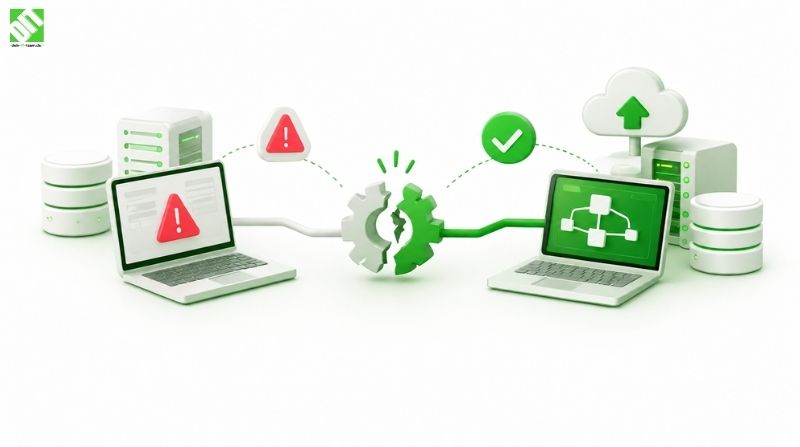
Existing logistics systems use different data formats and communication protocols. Modern IoT platforms use different standards than legacy warehouse management systems. Integration requires custom development building bridges between incompatible systems.
Solution involves prioritizing integration of highest-value data elements initially. Phased integration addresses lower-priority connections as resources become available. Middleware platforms provide pre-built connectors for common systems reducing custom development.
Data Security and Privacy
IoT devices represent potential security vulnerabilities if not properly secured. Hackers could intercept location data tracking valuable shipments. Compromised devices could inject false data corrupting decision making.
Solution involves encryption of all data transmission protecting information in transit. Authentication ensures only authorized devices connect to systems. Regular security updates patch vulnerabilities before exploitation. Network segmentation isolates IoT systems from critical business systems limiting damage from potential breaches.
Interoperability Between Devices
Different IoT device manufacturers use different protocols creating compatibility challenges. Devices from one vendor might not communicate with devices from competitors. Legacy devices lack modern connectivity capabilities.
Solution involves selecting devices using open standards enabling broader compatibility. Middleware platforms provide translation between incompatible protocols. Gradual replacement of legacy devices as they reach end-of-life enables adoption of modern standardized devices.
Cost and ROI Justification
IoT implementation requires capital investment in devices, connectivity, platforms and integration. Smaller companies struggle justifying costs when implementation expenses consume significant portions of IT budgets.
Solution involves starting with high-impact applications delivering clear ROI. Fuel savings from route optimization alone often justify fleet tracking implementations. Temperature monitoring for perishable goods quickly pays for itself through reduced spoilage. Predictive maintenance reduces breakdowns providing immediate operational benefits.
Advanced IoT Logistics Trends
Autonomous Vehicles Integration
Self-driving vehicles represent the future of logistics eliminating driver labor costs and safety risks. IoT connectivity enables communication between autonomous vehicles and central dispatch systems. Vehicle-to-vehicle communication enables efficient platooning reducing fuel consumption. Real-time traffic integration enables dynamic routing around congestion.
Artificial Intelligence and Predictive Analytics
Machine learning models trained on historical IoT data predict future conditions enabling proactive decision making. Demand forecasting using historical order patterns and external data enables optimal inventory positioning. Failure prediction using sensor data prevents equipment breakdowns before they occur. Route prediction using traffic patterns and historical data enables optimal routing.
Blockchain for Supply Chain Transparency
Blockchain distributed ledgers create immutable records of product movement through supply chains. IoT sensor data recorded on blockchain proves authenticity preventing counterfeits. Customers can verify product provenance and handling throughout shipping.
Edge Computing for Real-Time Processing
Processing IoT data at edge devices near data sources enables real-time response without cloud connectivity delays. Edge computing reduces bandwidth requirements for data transmission reducing connectivity costs. Privacy improves when sensitive data processes locally rather than transmitting to cloud.
Measuring IoT Success in Logistics
Key Performance Indicators
Track fuel consumption per delivery measuring route optimization impact. Monitor on-time delivery percentage indicating service improvements. Measure spoilage rates and waste reduction from temperature monitoring. Track equipment uptime improvements from predictive maintenance. Monitor inventory accuracy improvements from RFID systems.
Calculate cost per delivery tracking how IoT reduces operational expenses. Measure customer satisfaction improvements from better visibility and faster delivery. Monitor regulatory compliance improvements from automated documentation.
Financial Metrics
Calculate fuel cost savings from route optimization. Measure labor cost reduction from automation and efficiency improvements. Calculate equipment cost reduction from extended asset lifespan through preventive maintenance. Measure inventory cost reduction from better accuracy and reduced waste.
Most organizations achieve positive ROI within 12 to 18 months from IoT logistics implementations. Quick-win implementations like fleet tracking often achieve ROI within months. More complex implementations like autonomous integration require longer payback periods.
Conclusion
IoT in logistics fundamentally transforms how businesses manage supply chains creating end-to-end visibility enabling optimization across multiple dimensions simultaneously. Real-time tracking reduces costs and improves delivery accuracy. Temperature monitoring protects perishable goods. Predictive maintenance prevents breakdowns. Inventory optimization reduces waste. Automated compliance documentation simplifies regulatory adherence.
Organizations implementing IoT gain competitive advantages through lower operational costs, faster delivery times and improved reliability. Customers experience better service from transparent tracking and reliable delivery. Employees benefit from automation eliminating tedious manual work enabling focus on higher-value activities.
For deeper understanding of how IoT transforms broader business operations beyond logistics, explore How IoT is Transforming Business Operations Across Industries, which covers IoT applications across various sectors. This comprehensive resource explains how logistics represents just one application area for transformative IoT technology.
Starting with focused pilot implementations on highest-impact areas enables demonstrating value building organizational support for broader transformation. Organizations embracing IoT in logistics position themselves for sustained competitive advantage in increasingly digital supply chain landscape where visibility, speed and reliability determine market leaders from laggards.
Frequently Asked Questions
What is IoT in logistics exactly?
IoT in logistics uses connected sensors and devices throughout supply chains to collect real-time data about locations, conditions and status of goods and vehicles. GPS trackers monitor vehicle positions. Temperature sensors track environmental conditions. RFID tags identify and track products. This data enables visibility and optimization across supply chains that manual processes cannot provide.
What are the main benefits of IoT in logistics?
Main benefits include reduced fuel costs from optimized routing, improved delivery accuracy from better visibility, reduced spoilage from temperature monitoring, prevented equipment breakdowns from predictive maintenance, reduced inventory errors from automated tracking, and improved customer satisfaction from real-time visibility.
How much does IoT implementation cost?
Costs vary widely based on scope. Fleet tracking for 50 vehicles might cost 50,000 to 100,000 dollars. Comprehensive warehouse automation could cost hundreds of thousands. Most organizations achieve ROI within 12 to 18 months from fuel savings and efficiency improvements.
Can IoT work with existing logistics systems?
Yes, IoT integrates with existing systems. Custom development creates connections between IoT platforms and legacy systems. APIs enable data transfer between incompatible systems. Phased implementation begins with specific areas avoiding disruption to entire operations.
Is IoT secure in logistics?
Security requires proper implementation. Encryption protects data transmission. Authentication verifies device identity. Regular updates patch vulnerabilities. Network segmentation isolates IoT systems protecting critical infrastructure from potential breaches.
How long does IoT implementation take?
Simple fleet tracking implementations might take weeks. Complex warehouse automation could take months. Phased approaches start immediately with pilot implementations providing early benefits while full deployment expands over time.
What skills do logistics teams need for IoT?
Teams need basic understanding of IoT concepts and data interpretation. Technical staff need skills connecting IoT platforms with existing systems. Managers need ability to interpret analytics dashboards and make data-driven decisions. Training programs develop necessary skills.
Which logistics operations benefit most from IoT?
Fleet operations benefit from vehicle tracking and route optimization. Perishable goods benefit from temperature monitoring. Warehouses benefit from inventory automation. Equipment-intensive operations benefit from predictive maintenance. High-value goods benefit from security monitoring.
How does IoT improve customer satisfaction?
Real-time tracking visibility reduces customer anxiety about delivery status. Accurate delivery estimates enable customers planning around arrivals. Faster delivery from optimized routing meets customer expectations. Proof of delivery eliminates disputes about package receipt.
What is the future of IoT in logistics?
Future trends include autonomous vehicle integration eliminating driver labor, AI-powered predictive analytics enabling proactive decision making, blockchain integration providing transparent supply chain records, edge computing enabling real-time processing without cloud delays, and drone delivery expanding delivery options.