

How IoT is Transforming Business Operations Across Industries
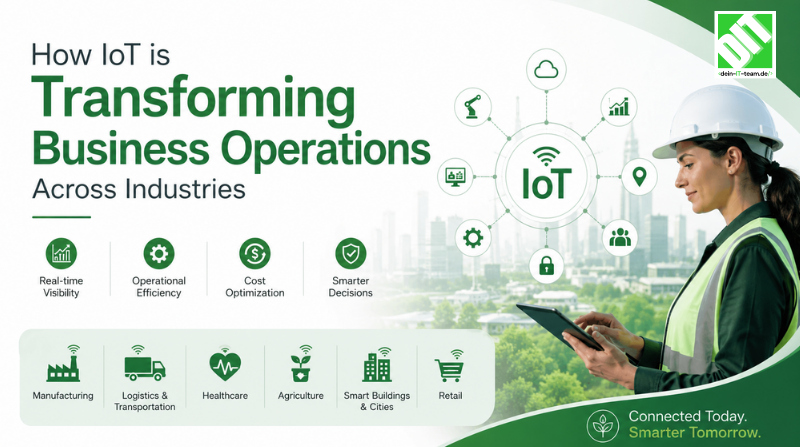
Learn how custom software engineering solutions and IoT architecture automate business workflows and reduce operational costs.
In a rapidly changing corporate environment, modernizing infrastructure is no longer a luxury reserved for massive technology conglomerates. As companies scale, they frequently find themselves collecting massive amounts of customer records, financial transactions, and operational metrics across siloed software programs. Relying on disconnected networks leads to severe analytical bottlenecks, manual data entry errors, and slow project deployment timelines. Implementing strategic custom software engineering solutions enables your organization to break down these data silos, transforming isolated applications into a unified, high-performing digital ecosystem that maximizes operational velocity and protects your market share against agile competitors.
Key Takeaways
Operational Visibility: Connected sensor networks gather physical operational signals in real time, eliminating blind spots across manufacturing, logistics, and facilities.
Predictive Maintenance: Moving from reactive fixes to proactive maintenance routines drastically cuts machine downtime and prevents sudden breakdown expenses.
Unified Fleet Management: Real-time asset tracking synchronizes remote warehouse metrics with centralized office systems, speeding up distribution routes.
Automated Data Integrity: Replacing human inspections with persistent device tracking removes processing bottlenecks and protects system accuracy.
Redefining Operational Awareness Through Device Connectivity
When establishing a business footprint, expanding firms naturally adopt multiple pre-packaged software tools to manage separate physical assets. These general frameworks fulfill immediate requirements during early operations but fail to provide unified logic when transaction volumes accelerate. Manual tracking methods force employees to act as unverified bridges, wasting office hours exporting spreadsheets and manually cross-checking physical inventory numbers.
The Internet of Things (IoT) solves this structural friction by embedding intelligent hardware endpoints directly into your physical operational layers. Instead of forcing manual counts, secure connection pathways pass physical performance metrics instantly to your software backend. This immediate synchronization removes administrative data bottlenecks, reduces corporate risk, and ensures your executive team makes strategic choices based on completely accurate data.
Furthermore, skipping these crucial integration phases when working with external technology vendors can stall your automation goals entirely. If a scaling business partners with an unverified contractor who fails to align device logic with corporate software frameworks, the entire technical setup suffers from severe delays. Business leads must actively evaluate these platform dependencies by reviewing our operational guide on the 6 Mistakes Businesses Make When Hiring an IT Outsourcing Company to ensure that their underlying vendor agreements support long-term infrastructural scaling.
Transforming Traditional Sectors Through Hardware Insights
True digital transformation requires legacy business architectures to adapt cleanly to modern consumer expectations. By embedding secure, high-performance integration layers, traditional industries can orchestrate hardware data smoothly across multi-tenant environments.
Manufacturing and Industrial Environments
In factory settings, heavy machinery paired with automated sensor modules continuously monitors structural metrics like pressure levels, temperature shifts, and raw vibrations. These immediate metrics flow directly into bespoke business software platforms, alerting maintenance divisions to potential errors long before a system crash occurs. This transition saves thousands of office hours annually and protects manufacturing deadlines.
Supply Chain and Cold Chain Logistics
Modern distribution networks depend heavily on real-time data sync processes to manage global product movement. Logistics scripts use connected GPS and environmental sensors to pass live temperature values, humidity marks, and precise location updates straight to internal company dashboards. Automating these data loops ensures perishable cargo or sensitive pharmaceutical shipments remain entirely safe throughout global transit.
Commercial Smart Building Management
Enterprise facility managers use connected energy, lighting, and climate control infrastructure to automate internal office workflows. Instead of keeping utility frameworks running constantly on fixed timers, automated arrays scale environmental outputs up or down based on real-time room occupancy signals. This smart operational loop shrinks monthly carbon footprints while lowering overhead costs.
Elevating Your Long-Term Tech Equity
Constructing specialized hardware integration layers does more than optimize your current quarterly productivity; it fundamentally elevates the long-term asset value of your corporate entity. Relying strictly on rigid off-the-shelf software tools means your business remains completely vulnerable to third-party feature changes, unexpected subscription hikes, and unalterable system boundaries.
Developing private, dedicated connection architectures eliminates this external vulnerability completely. Building standardized software links transforms your ongoing IT spending into a modular, proprietary technology framework. Deploying modern, tailored technical engineering services keeps your client portals incredibly responsive and your internal workflows entirely secure, positioning your brand as an independent industry leader fully prepared for rapid expansion.
Conclusion
Enforcing a clear, intentional software connectivity roadmap is a critical business strategy required to protect profit margins and accelerate corporate data processing speeds. Moving past standard, fragmented web applications toward customized integration systems allows growing mid-market enterprises to capture deep operational insights without risking proprietary data security. This automated connectivity approach removes administrative delivery delays, improves reporting accuracy across multiple locations, and builds independent technology equity. Allocating resources to precise, engineering-driven software connections allows modern organizations to anchor their position in global spaces with total confidence, ensuring an agile system architecture that consistently drives profitable expansion.
Frequently Asked Questions
How does IoT lower everyday business operational costs?
IoT is lowering costs by replacing manual asset tracking with automated hardware sensors. This continuous automation provides real-time system tracking, eliminates manual entry errors, and minimizes costly equipment breakdown fees through predictive alerts.
Can custom software integrate with existing legacy industrial machinery?
Yes. Professional development teams design specialized integration scripts and custom edge gateways that pull raw signal metrics from legacy machinery, converting that data into secure cloud reporting streams without needing to replace core assets.
How do connected devices protect global supply chain efficiency?
Connected devices protect supply chains by passing live location, speed, and climate data directly to company portals. This automated feedback loop removes reporting bottlenecks, allows teams to reroute deliveries actively, and prevents product loss.
Recent Posts
September 28, 2026
September 25, 2026
September 16, 2026