HOW TO CHOOSE THE RIGHT TECHNOLOGY STACK FOR YOUR PROJECT: A COMPREHENSIVE DECISION GUIDE
Master technology stack selection. Learn frameworks for evaluating options, avoiding mistakes and choosing technologies enabling project success
Technology stack selection has become one of the most critical decisions software teams face when initiating new projects. The technology stack—the combination of programming languages, frameworks, databases, tools, platforms and libraries powering your application—fundamentally shapes project success. Choosing the right technology stack determines whether projects complete on time and budget, scale efficiently, attract talent and evolve successfully. Selecting poorly impacts timelines, costs, performance, maintainability and team satisfaction.
Organizations frequently underestimate technology stack selection complexity. Teams approach stack decisions reactively based on developer preferences, familiarity or recent project experience rather than systematically evaluating project requirements. Frontend frameworks get chosen because the team worked with them previously. Databases are selected because they're popular rather than matching data characteristics. Cloud platforms are picked before understanding infrastructure needs. These shortcuts create technical debt requiring expensive refactoring later.
The consequences of poor technology stack selection are substantial. Performance problems emerging after deployment require architectural changes. Framework limitations prevent implementing required features forcing tool changes mid-project. Scaling problems discovered in production require expensive database migrations. Difficulty recruiting developers for obscure technology choices delays projects. Maintenance nightmares result from choosing technologies with minimal documentation or community support. Organizations learning to approach technology stack selection systematically avoid these problems.
This comprehensive guide walks through technology stack selection systematically. Understanding what comprises technology stacks. Why stack selection matters for project success. Evaluating project requirements comprehensively. Assessing available technology options thoroughly. Making informed decisions balancing tradeoffs. Validating selections before committing. Common mistakes and how to avoid them. Real-world decision frameworks. By the end, you'll understand how to select technology stacks enabling project success.
Key Takeaways
Technology stack selection profoundly impacts project success determining timelines, costs, scalability, maintainability and team satisfaction.
Systematic technology stack selection requires understanding project requirements first—team size, performance needs, scalability requirements, compliance constraints, timeline and budget.
Available technology options for any given problem layer are vast—thoughtful evaluation criteria enable comparing options objectively without analysis paralysis.
Custom software development teams possess expertise evaluating technology stacks matching specific project characteristics and requirements.
Popular technologies are popular for reasons but popularity alone doesn't ensure suitability for your specific project needs.
Technology stack decisions involve tradeoffs—developer productivity versus performance, flexibility versus structure, community support versus cutting edge capabilities.
Documentation quality, community size, ecosystem maturity and long-term vendor stability significantly impact technology viability over project lifecycles.
Early-stage projects benefit from proven, stable technologies reducing risk. Later-stage projects might justify adopting newer technologies if justified by specific advantages.
Team expertise and skill availability significantly influence technology stack decisions—adopting technologies your team lacks expertise with risks project delays.
Technology stack decisions should be revisited periodically ensuring technologies remain aligned with evolving project needs, organizational capabilities and market conditions.
What Is Technology Stack Selection?
Understanding Technology Stack Components
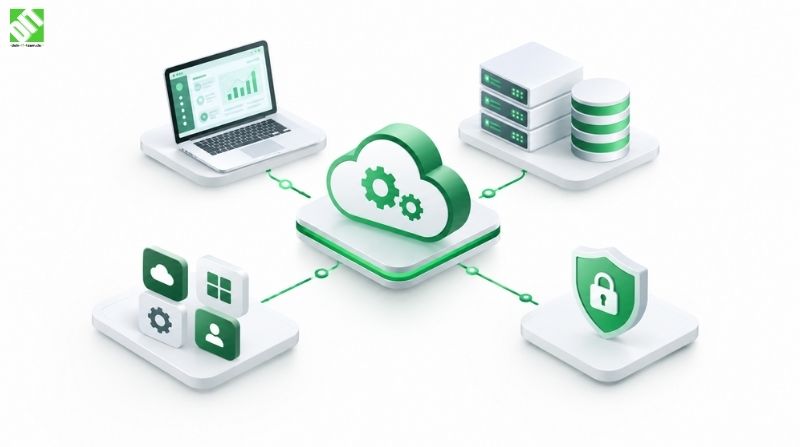
A technology stack comprises all technologies, tools, platforms and frameworks enabling application development and deployment. Frontend stacks include HTML, CSS, JavaScript frameworks and libraries enabling user interfaces. Backend stacks include server-side languages, frameworks and application servers processing business logic. Database stacks include data storage systems, query languages and data management tools. Infrastructure stacks include cloud platforms, hosting environments and deployment tools. DevOps stacks include continuous integration, deployment automation and monitoring tools.
Technology stacks vary dramatically across projects. A simple web application might use JavaScript frontend, Node.js backend, PostgreSQL database and cloud hosting. A complex enterprise system might use React frontend, Java backend, Oracle database and Kubernetes orchestration. A real-time analytics platform might use custom JavaScript visualization, Python backend, NoSQL databases and streaming infrastructure. Mobile applications stack differently using iOS/Swift, Android/Kotlin, cloud APIs and mobile-specific tools. Each stack reflects the unique requirements of the application.
Understanding stack components enables rational evaluation. Different frontend frameworks solve different problems—React excels at complex interactive interfaces, Vue offers simpler learning curves, Angular provides comprehensive frameworks. Different backend languages have different strengths—Python excels at rapid development and data science, Go excels at high-performance systems, Java excels at enterprise applications. Different databases have different characteristics—relational databases provide strong consistency, NoSQL databases provide flexibility and scale, specialized databases solve specific problems. Understanding what each component does enables matching technologies to requirements.
Why Technology Stack Selection Matters
Technology stack selection profoundly impacts project outcomes. The right stack accelerates development enabling teams to deliver features faster. The wrong stack creates obstacles slowing development and frustrating teams. Developers using appropriate tools for their problems work efficiently. Developers fighting tool limitations waste time working around constraints. This difference compounds over months and years significantly impacting project timelines and costs.
Technology stack selection impacts application performance and scalability. Some stacks handle concurrent users exceptionally. Others hit performance walls under modest load requiring architectural changes. Database choices impact data consistency, query performance and scaling approaches. Caching strategies in stack design prevent performance problems. Poor stack decisions often result in applications performing acceptably during development but poorly under production load requiring expensive rewrites.
Maintainability depends substantially on technology stack choices. Well-chosen stacks with strong ecosystem support, abundant documentation and active communities enable long-term maintenance. Poorly chosen stacks with minimal support make maintenance difficult and staff retention challenging. Developer satisfaction correlates directly with technology choices—teams enjoy working with appropriate tools, frustration with poor tool choices leads to attrition.
Cost implications flow throughout project lifecycles. Development speed impacts salary costs. Scaling requirements impact infrastructure costs. Team retention impacts hiring and training costs. Tool costs vary from free open-source to expensive commercial products. Choosing expensive proprietary tools might be justified by benefits. Choosing expensive tools providing no benefits wastes money. Thoughtful stack selection optimizes total project costs.
Evaluating Project Requirements for Technology Stack Selection
Defining Functional Requirements
Functional requirements—what the application must do—constrain technology choices. Real-time systems like trading platforms, collaborative editing applications or multiplayer games require technologies handling real-time communication. Batch processing systems handling terabyte-scale data transformation have different requirements than interactive applications. Reporting systems emphasizing queries have different database requirements than transactional systems. Understanding required functionality first guides technology selection.
Performance requirements drive technology choices. Applications requiring sub-second response times have stricter technology requirements than applications where seconds delay is acceptable. High-frequency trading systems require nanosecond-scale latencies impossible with some stacks. Backend APIs serving millions of requests daily require different technologies than applications serving thousands. Understanding required performance guides database, caching and infrastructure choices.
Scalability requirements impact architecture and technology choices. Applications expecting millions of users require stateless designs enabling horizontal scaling. Applications expecting single-server deployment can use simpler designs. Expected growth rates influence database choices—some scale vertically indefinitely, others require horizontal scaling changing query patterns. Understanding scalability needs early prevents expensive rearchitecture later.
Assessing Non-Functional Requirements
Compliance requirements constrain technology choices. Healthcare applications handling patient data require HIPAA compliance limiting cloud providers and database options. Financial applications require audit trails and specific security controls. EU-based applications require GDPR compliance affecting data residency. Privacy-focused applications require encryption technologies. Compliance requirements eliminate certain technologies forcing alternatives meeting requirements.
Data volume and complexity influence technology selections. Applications handling terabytes of data benefit from distributed databases, big data technologies and specialized analytics tools. Applications handling gigabytes use traditional databases effectively. Data structure impacts database choices—structured relational data suits relational databases, unstructured data suits document databases, graph data suits graph databases. Understanding data characteristics guides appropriate technologies.
Availability requirements drive infrastructure and architecture decisions. Applications requiring 99.9% uptime need redundancy, failover mechanisms and monitoring technologies. Applications tolerating occasional downtime allow simpler architectures. Financial systems, healthcare applications and safety-critical systems have stringent availability requirements. Consumer applications tolerate brief maintenance windows. Understanding required availability determines architectural complexity and technology costs.
Security requirements influence technology choices. Applications handling sensitive data require encryption, security-hardened infrastructure and secure authentication mechanisms. Applications with minimal security needs allow simpler approaches. Security frameworks, vulnerability scanning tools and threat modeling inform technology decisions. Using insecure technologies storing sensitive data creates liability. Security-conscious technology selection prevents problems.
Understanding Team Characteristics
Team size and structure influence technology stack selection. Small teams benefit from simpler stacks requiring fewer specialists. Large teams can afford specialized roles—frontend experts, backend experts, database specialists, DevOps engineers. Distributed teams benefit from technologies with strong documentation reducing need for in-person knowledge transfer. Startup teams need rapid development stacks. Enterprise teams optimize for long-term maintainability.
Team expertise significantly impacts stack selection. Teams with strong JavaScript expertise can leverage that skill with Node.js backends and JavaScript-based tools. Teams with Java expertise can build on those skills. Adopting technologies requiring significant team retraining risks project delays and team dissatisfaction. Building on existing expertise accelerates initial development. However, completely avoiding new technologies prevents growth. Balancing existing expertise with strategic skill development guides decisions.
Team's willingness to learn and adapt influences choices. Teams embracing new technologies can explore cutting-edge options. Teams resisting change optimize for stable, proven technologies. Risk tolerance influences decisions—conservative organizations choose established, proven technologies. Innovative organizations experiment with newer options. Understanding team culture and risk tolerance enables decisions fitting organizational context.
Evaluating Technology Options for Stack Selection
Assessing Technology Maturity
Technology maturity significantly impacts viability. Mature technologies have stable APIs, extensive documentation, large communities and abundance of expertise. Adopting mature technologies reduces risk and eases hiring. Emerging technologies offer cutting-edge capabilities but introduce uncertainty—APIs change, documentation is sparse, expertise is rare. Early-stage projects benefit from proven technologies. Established projects might justify adopting emerging technologies if compelling advantages exist.
Community size and activity indicate technology health. Large communities mean abundant tutorials, libraries, third-party tools and support. Small communities offer less support making problems harder to solve. Active communities with regular updates ensure technologies remain current. Inactive communities with months between updates suggest technologies might be fading. Technology popularity correlates with community support—popular technologies have many resources, obscure technologies require more self-reliance.
Vendor stability and commitment influence long-term viability. Technologies backed by stable companies like Google, Microsoft or Amazon have long-term support. Technologies backed by startups carry acquisition risk—if acquired, support might disappear. Open-source technologies backed by large communities survive regardless of vendor. Technology choices should consider long-term viability—choosing technologies that might disappear creates risk.
Evaluating Documentation and Learning Resources
Documentation quality dramatically impacts technology adoption speed. Well-documented technologies enable teams ramping up quickly. Poorly documented technologies require experimentation and community research slowing adoption. Official documentation should be comprehensive, accurate and current. Outdated documentation causes confusion. Community-provided documentation like Stack Overflow questions and blog posts supplement official documentation.
Abundance of learning resources eases adoption. Technologies with multiple books, online courses and tutorials enable self-directed learning. Technologies with minimal resources make learning difficult. For new technologies, availability of training resources influences adopting decisions. If your team must learn technology with no training resources, adoption risks delays.
Community support through forums, discussion boards and chat communities enables problem-solving. Active communities respond to questions. Inactive communities provide no support. For problems without clear solutions, active communities enable finding answers. Choosing technologies with strong communities reduces support risk.
Analyzing Performance Characteristics
Performance benchmarks inform decisions. Published benchmarks comparing technologies reveal relative performance. Benchmarks should match your specific use case—benchmarking web server performance uses different metrics than benchmarking analytics performance. Real-world performance testing with your specific workload provides more accurate information than generic benchmarks.
Scalability characteristics determine growth capabilities. Some technologies scale vertically—adding resources to existing servers—indefinitely. Others require horizontal scaling—adding servers—once certain thresholds pass. Horizontal scaling introduces complexity in distributed systems. Understanding scalability characteristics prevents discovering scaling limitations after deployment.
Resource consumption impacts infrastructure costs. Some technologies require minimal resources—a simple API might run on $5/month infrastructure. Others require substantial resources—complex applications might require thousands in monthly infrastructure. Understanding resource requirements enables cost estimation.
Making Technology Stack Selection Decisions
Creating a Decision Framework
Systematic decisions use frameworks comparing options objectively. Decision frameworks list evaluation criteria, weight criteria by importance, score options against criteria, and calculate total scores. For example, weight performance 30%, developer productivity 25%, cost 20%, documentation 15%, community support 10%. Score each technology 1-10 for each criterion, multiply by weights, and sum results. This systematic approach prevents decisions based purely on preference or popularity.
Evaluation criteria should reflect project requirements and constraints. Performance-critical systems weight performance heavily. Team productivity matters for all projects but weighs differently—early-stage projects emphasize rapid feature delivery, mature projects emphasize maintainability. Cost matters for budget-constrained projects. Documentation matters for teams lacking expertise. Criteria should match your specific situation.
Decision frameworks should include veto criteria eliminating technologies absolutely unsuitable. Cost constraints might veto expensive proprietary tools. Compliance requirements might veto solutions unable to meet regulations. Performance requirements might veto solutions unable to meet performance targets. Timeline constraints might veto technologies requiring extensive learning. Veto criteria prevent wasting evaluation effort on unsuitable options.
Conducting Proof-of-Concept Evaluations
Proof-of-concept projects reduce uncertainty before full commitment. Building small prototypes with candidate technologies reveals practical issues theoretical evaluation misses. Prototypes reveal real performance characteristics, integration challenges and team productivity. Time spent on prototypes prevents expensive mistakes. Prototypes answer questions like: Can we implement required features? What performance do we achieve? How productive are teams? What challenges emerged?
Prototype scope should match decision scope. Evaluating database technologies requires implementing same functionality in each database. Evaluating frontend frameworks requires implementing similar UI components. Prototype scope should be substantial enough revealing practical issues but limited enough keeping effort manageable. A few days building prototypes prevents weeks spent on wrong technology.
Prototype evaluation should engage actual team members who'll build with chosen technology. Their productivity and impressions matter more than expert opinions. Teams finding technologies intuitive and productive will build better applications than teams struggling with tools. Prototype feedback from developers guides decisions.
Considering Organizational Factors
Organizational culture and risk tolerance influence decisions. Conservative organizations optimize for stability and proven technologies. Innovative organizations experiment with cutting-edge options. Decisions should align with organizational culture—forcing unsuitable technologies on risk-averse teams creates friction.
Strategic technology direction should guide choices. Organizations might have strategic commitments to Microsoft technologies, Amazon services or specific languages. Choosing aligned technologies enables leveraging existing organizational expertise and tooling. Choosing contrary to strategy requires independent justification.
Long-term technology strategy should guide short-term decisions. Choosing technologies aligned with long-term direction builds expertise and consistency. Repeatedly choosing misaligned technologies fragments organizational expertise. While some technology diversity is healthy, strategic alignment enables efficiency.
Common Technology Stack Selection Mistakes
Over-Optimization for Current Needs
Choosing technologies perfectly optimized for current requirements but unable to evolve creates problems. Applications outgrowing initial design require architectural changes and technology swaps. Designing for 10% growth then discovering 100% growth requires rearchitecture. Technology selections should accommodate reasonable growth beyond current requirements. Understanding likely growth prevents optimization-trap mistakes.
Choosing Based on Popularity Rather Than Fit
Popular technologies are popular for reasons but popularity doesn't ensure suitability for your project. Choosing React because it's popular makes sense if your project requires complex interactive interfaces. Choosing React for simple server-rendered content is overkill. Choosing Kubernetes because it's trending makes sense for applications requiring massive scale. Choosing Kubernetes for single-server applications wastes complexity. Match technologies to requirements, not trends.
Ignoring Long-Term Support and Maintenance
Focusing exclusively on initial development ignores long-term maintenance reality. Applications built today require maintenance for years. Choosing technologies with poor documentation and small communities creates long-term maintenance challenges. Choosing technologies likely to become obsolete creates risk. Technology choices should consider long-term viability and maintenance burden.
Neglecting Team Expertise and Learning Curve
Underestimating adoption costs for unfamiliar technologies delays projects. Teams learning new technologies while building systems work slowly. Hiring expertise for unfamiliar technologies costs time and money. Strategic technology adoption makes sense. Adopting technologies without justification wastes team capacity. Balancing new skill development with maintaining momentum requires careful decisions.
Avoiding Necessary Complexity
Some technologies are complex for good reasons—they solve genuinely hard problems. Avoiding necessary complexity in pursuit of simplicity creates problems. Using simple technologies for complex problems requires building solutions complicating codebase. Using appropriate technologies for problems enables simpler solutions. Technologies like Kubernetes seem complex until you need their capabilities—then they're appropriate.
Technology Stack Selection for Different Project Types
Web Applications
Web applications typically use HTML/CSS/JavaScript frontends with various backend options. Frontend frameworks like React, Vue or Angular enable complex interfaces. Backend languages like Python, JavaScript, Java or Go offer different tradeoffs. Traditional relational databases like PostgreSQL serve most applications. Cloud deployment on AWS, Azure or Google Cloud provides scalability. Caching layers with Redis or Memcached improve performance. Static content delivery through CDNs like Cloudflare or AWS CloudFront accelerates loading.
Mobile Applications
Mobile applications require platform-specific decisions. iOS development uses Swift, Android development uses Kotlin or Java. Cross-platform options like React Native or Flutter enable code sharing. Cloud backends via Firebase or custom APIs provide data. Understanding mobile-specific constraints—battery life, network reliability, screen sizes—influences stack. Custom software development expertise addresses mobile-specific complexity.
Data-Intensive Applications
Data-intensive applications require careful database choices. Volume and velocity of data drive technology selection. Distributed databases like Cassandra or DynamoDB handle massive scale. Data warehouses like Snowflake or BigQuery serve analytics. Stream processing platforms like Kafka or Flink handle real-time data. Programming languages like Python or Scala excel at data processing. Understanding data characteristics guides technology choices.
Real-Time Applications
Real-time applications like chat, collaboration tools or gaming require technologies handling real-time communication. WebSockets, gRPC and SignalR enable real-time updates. Node.js and Go excel at handling concurrent connections efficiently. Specialized databases like Redis suit caching and real-time state. Understanding real-time requirements guides technology selection.
Validating and Revisiting Technology Stack Decisions
Establishing Selection Criteria for Validation
Technology selections should be validated against criteria used for decisions. Confirming selected technologies achieve required performance, meet scalability needs and support team productivity. Validation confirms decisions were sound. When validation reveals problems, root causes guide remediation.
Planning Technology Migrations When Needed
Technology decisions might need revision as projects evolve. Initial technologies might prove unsuitable. Technologies might become obsolete. Organizational priorities might change. Planning technology migrations prevents being trapped in unsuitable stacks. Understanding migration complexity guides deciding between persisting with unsuitable technologies versus migrating. Gradual migrations minimize disruption compared to big-bang rewrites.
Scheduling Regular Technology Reviews
Technology selections should be revisited periodically ensuring technologies remain aligned with needs. Annual reviews ensure emerging technologies offering clear advantages are considered. Review frequency depends on technology volatility—rapidly evolving domains need more frequent reviews than stable domains.
Conclusion
Technology stack selection fundamentally impacts project success. Systematic selection based on requirements beats reactive selection based on preference or popularity. Understanding project requirements, evaluating options objectively and considering organizational context enables informed decisions. Proof-of-concept validation reduces risk. Avoiding common mistakes prevents expensive problems. Revisiting decisions periodically ensures technologies remain aligned.
Technology stack selection remains challenging because options are abundant and tradeoffs are complex. Balancing performance, developer productivity, cost, scalability and maintainability involves difficult tradeoffs. No perfect technology exists for all situations. Optimal decisions match technologies to specific project requirements and organizational context.
For comprehensive guidance on implementing chosen technology stacks and managing complex software development projects, explore How to Choose the Right Software Development Partner for Your Business, providing frameworks for selecting development expertise matching your technology requirements. This deeper analysis explains how partnerships complement technology selection decisions, ensuring chosen stacks are implemented effectively.
Begin your technology stack selection today. Define requirements. Evaluate options. Conduct prototypes. Make informed decisions. Validate selections. Revisit periodically. Choosing right technologies accelerates development, improves quality, enhances maintainability and increases team satisfaction. In competitive markets, appropriate technology choices enable competitive advantage through development speed and product quality. Master technology stack selection and you'll build applications successfully.
Frequently Asked Questions
How important is technology stack selection for project success?
Technology stack selection is critically important. The right stack enables teams working efficiently, applications performing well and systems scaling effectively. Wrong stacks create obstacles slowing development, limit scalability and frustrate teams. Poor selections often require expensive refactoring. Good selections enable long-term success.
Should we always choose popular technologies?
Popularity indicates technologies solving real problems well. Popular technologies typically have strong communities and extensive documentation. However, popularity alone doesn't ensure suitability. Popular technologies might be overkill for simple problems. Choosing based purely on popularity rather than fit wastes complexity and creates unnecessary maintenance burdens. Match technologies to requirements, not trends.
What's the difference between vertical and horizontal scaling?
Vertical scaling adds resources to existing servers—adding CPUs, memory or storage. This approach works until hardware limits are reached. Horizontal scaling adds more servers distributing load across machines. Horizontal scaling enables unlimited growth but introduces distributed systems complexity. Understanding scaling requirements influences technology choices. Technologies supporting horizontal scaling suit growing applications.
How do we evaluate technology documentation quality?
Evaluate documentation by reviewing official guides, tutorials and API documentation. Good documentation is comprehensive, current, accurate and easy to understand. Poor documentation is incomplete, outdated or confusing. Check release notes ensuring documentation matches current versions. Review community resources like Stack Overflow questions determining what gaps exist. Spend an hour reviewing documentation revealing quality.
What role does cost play in technology stack selection?
Cost matters significantly but shouldn't dominate decisions. Open-source free technologies often provide excellent value. Expensive commercial tools might be justified by benefits. Hidden costs like infrastructure consumption and team productivity impact total cost more than tool pricing. Consider total cost of ownership not just tool costs. Balancing cost against other requirements enables value optimization.
How do we handle technology decisions when team expertise is limited?
Build on existing expertise while developing new skills. Adopting some unfamiliar technologies is reasonable if justified by clear advantages. Adopting all unfamiliar technologies risks delays. Balance building on existing strengths with strategic growth. Consider engaging external expertise for unfamiliar technologies. Invest in training enabling team development. Gradual technology adoption prevents overwhelming teams.
Should we use cutting-edge technologies or proven stable options?
Choice depends on project stage and risk tolerance. Early-stage projects benefit from proven technologies reducing risk and enabling rapid development. Established projects might justify cutting-edge technologies if compelling advantages exist. Balanced approaches use proven technologies as foundations with newer technologies addressing specific needs. Avoid choosing cutting-edge solely for excitement—base decisions on clear benefits.
What's the right size for technology stack proof-of-concept projects?
Proof-of-concepts should be substantial enough revealing practical issues but limited enough keeping effort manageable. A few days building prototypes answers key questions. Too-small prototypes miss real challenges. Too-large prototypes consume excessive time. Prototype scope should match decision scope—evaluating databases requires reasonable data volume, evaluating frameworks requires realistic components. Right-sized prototypes prevent expensive mistakes.
How often should we revisit technology stack decisions?
Annual reviews ensure technologies remain aligned with needs and emerging options are evaluated. Frequency depends on domain volatility—rapidly evolving areas warrant more frequent reviews. Revisit decisions when major problems surface or requirements change significantly. Revisiting enables adapting to organizational growth and technological evolution.
Can we migrate to different technologies after initial selection?
Yes, technologies can be migrated though migration requires planning. Gradual migrations using strangler patterns minimize disruption. Parallel operation periods comparing technologies reduce risk. Understanding migration complexity guides deciding between persisting with unsuitable technologies versus migrating. Some migrations are worth the effort, others aren't. Plan technology decisions considering potential future migrations.
Recent Posts

September 29, 2026


September 23, 2026