

Why Businesses Need Real-Time Data Integration

Discover why real-time data integration improves business efficiency, customer experience, and operational accuracy.
Modern businesses rely heavily on data to make decisions, improve customer experiences, and manage daily operations. However, many organizations still struggle with disconnected systems, delayed updates, and inconsistent information across departments.
When data is not updated in real time, businesses often experience communication gaps, reporting inaccuracies, operational delays, and poor customer experiences. This problem becomes even more serious as companies adopt multiple platforms, cloud applications, APIs, CRMs, and automation tools.
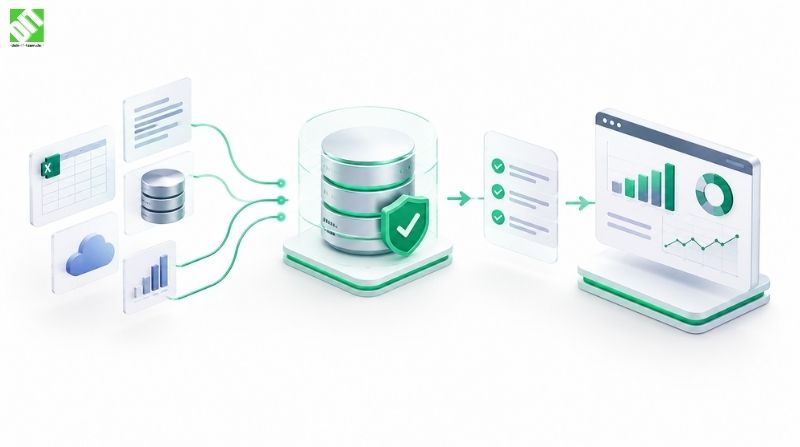
Real-time data integration helps businesses ensure that information moves instantly across systems without delays or manual intervention. By synchronizing data continuously, organizations can improve efficiency, accelerate decision-making, and create more connected digital ecosystems.
Businesses investing in modern cloud integration strategies are increasingly prioritizing real-time synchronization to support faster and more reliable business operations.
Key Takeaways
Real-time data integration improves operational efficiency
Businesses can reduce delays caused by disconnected systems
Faster data synchronization improves decision-making
Real-time integration enhances customer experience
Modern businesses rely on connected digital ecosystems
1. Businesses Need Faster Access to Accurate Data
In many organizations, teams rely on multiple software platforms for sales, operations, finance, customer support, and analytics. When these systems are not connected properly, employees often work with outdated or inconsistent information.
Real-time data integration ensures that updates are reflected instantly across connected systems. This allows businesses to access accurate information whenever decisions need to be made.
Faster access to synchronized data helps teams improve collaboration, reduce manual work, and respond more efficiently to changing business conditions.
2. Real-Time Integration Improves Customer Experience
Customers expect businesses to provide fast, personalized, and consistent experiences across every touchpoint.
When systems fail to synchronize data properly, businesses may experience delayed responses, incorrect order statuses, outdated customer records, or inconsistent communication. These issues can negatively impact customer trust and satisfaction.
Real-time synchronization plays a major role in maintaining seamless customer interactions, which is also discussed in our blog Why CRM Data Synchronization is Critical for Seamless Customer Experience and Business Growth.
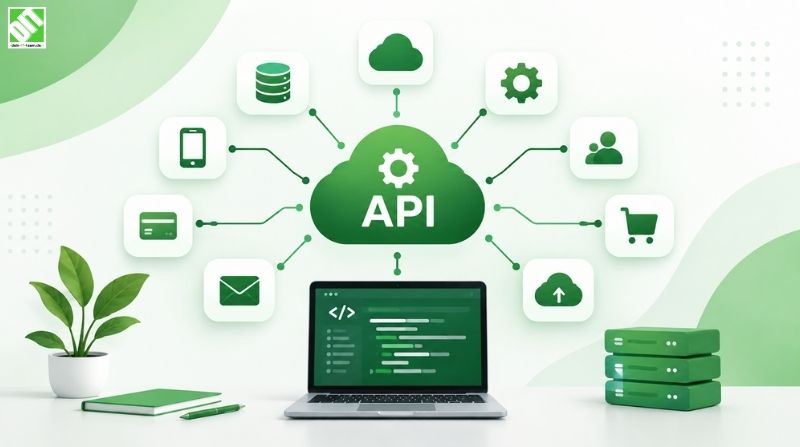
Businesses adopting reliable api integration approaches are better equipped to maintain accurate and connected customer data across platforms.
3. Connected Systems Improve Operational Efficiency
Disconnected systems often create operational bottlenecks that slow down business processes.
Employees may spend hours manually transferring information between applications, correcting duplicate records, or verifying outdated data. These inefficiencies reduce productivity and increase the risk of human error.
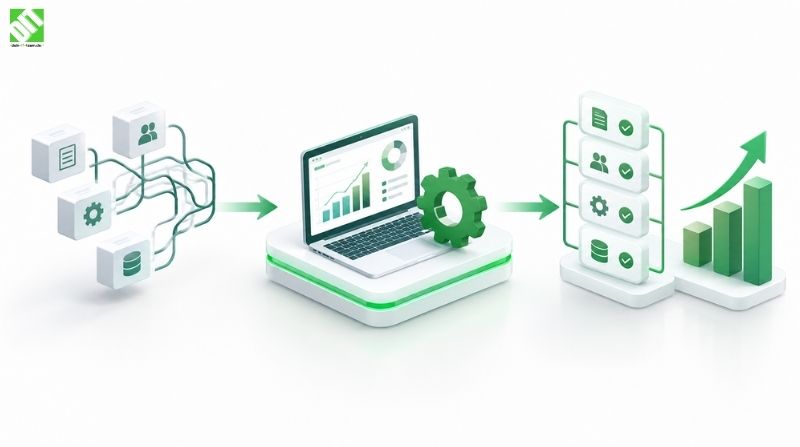
Real-time integration helps automate data movement across platforms, enabling businesses to streamline workflows and improve overall efficiency.
Organizations investing in business process automation are increasingly combining automation with real-time integration to reduce operational delays and improve scalability.
4. Real-Time Data Supports Better Decision-Making
Business decisions are only as reliable as the data being used.
Delayed or inconsistent information can lead to inaccurate forecasting, slower responses, and missed business opportunities. Real-time data integration allows decision-makers to access current insights instead of relying on outdated reports.
This becomes especially important for businesses managing inventory, customer support, sales performance, logistics, or financial operations where timing plays a critical role.
Accurate real-time insights help businesses react faster to market changes and operational challenges.
5. Modern Digital Ecosystems Depend on Integration
Modern businesses rarely operate using a single software platform. Most organizations use multiple cloud applications, APIs, CRMs, analytics tools, ERP systems, and third-party platforms.
Without proper integration, these systems often operate independently, creating data silos and fragmented workflows.
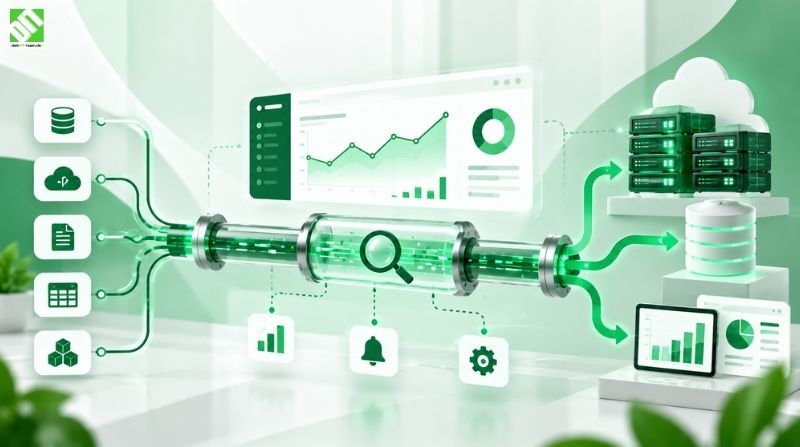
Real-time integration helps unify digital ecosystems by ensuring that systems continuously exchange information without disruption. This creates smoother operations, better collaboration, and stronger scalability as businesses grow.
As digital transformation continues accelerating, connected systems are becoming essential for long-term business success.
Solution / Recommendation
Businesses should evaluate whether their current systems are capable of supporting real-time data synchronization across departments and platforms.
Investing in scalable integration architecture, API connectivity, cloud synchronization, and workflow automation can significantly improve operational visibility and efficiency.
Organizations that prioritize real-time integration are better positioned to reduce delays, improve customer experiences, and support future digital growth.
Insight / Clarification
A common misconception is that real-time data integration is only necessary for large enterprises. In reality, businesses of all sizes benefit from faster synchronization and connected systems.
Another misconception is that integration only affects IT operations. Real-time connectivity impacts customer service, sales, reporting, marketing, operations, and overall business performance.
As companies continue adopting cloud technologies and automation platforms, real-time integration is becoming a fundamental requirement rather than an optional improvement.
Conclusion
Modern businesses depend on fast and reliable access to data to remain competitive in increasingly digital environments. However, disconnected systems and delayed synchronization often create inefficiencies that slow down operations, reduce visibility, and negatively impact customer experiences.
Real-time data integration helps businesses eliminate these gaps by ensuring that information flows instantly across platforms, applications, and departments. This improves collaboration, reduces manual effort, enhances operational accuracy, and supports faster decision-making.
As organizations continue adopting cloud applications, APIs, automation tools, and digital transformation strategies, connected systems are becoming more important than ever. Businesses that prioritize real-time integration are better prepared to improve efficiency, respond faster to change, and create more scalable digital operations.
In today’s data-driven business landscape, real-time integration is no longer just a technical upgrade—it has become a critical foundation for long-term business growth and operational success.
FAQs
Why is real-time data integration important for businesses?
Real-time data integration helps businesses synchronize information instantly across systems, improving efficiency, accuracy, and decision-making.
How does real-time integration improve customer experience?
It ensures customer information, transactions, and updates remain consistent across platforms, reducing delays and communication errors.
What problems do disconnected systems create?
Disconnected systems often lead to manual work, duplicate records, delayed reporting, operational inefficiencies, and inconsistent customer experiences.
Recent Posts
September 24, 2026