

What is Microsoft Application Development? Complete Overview
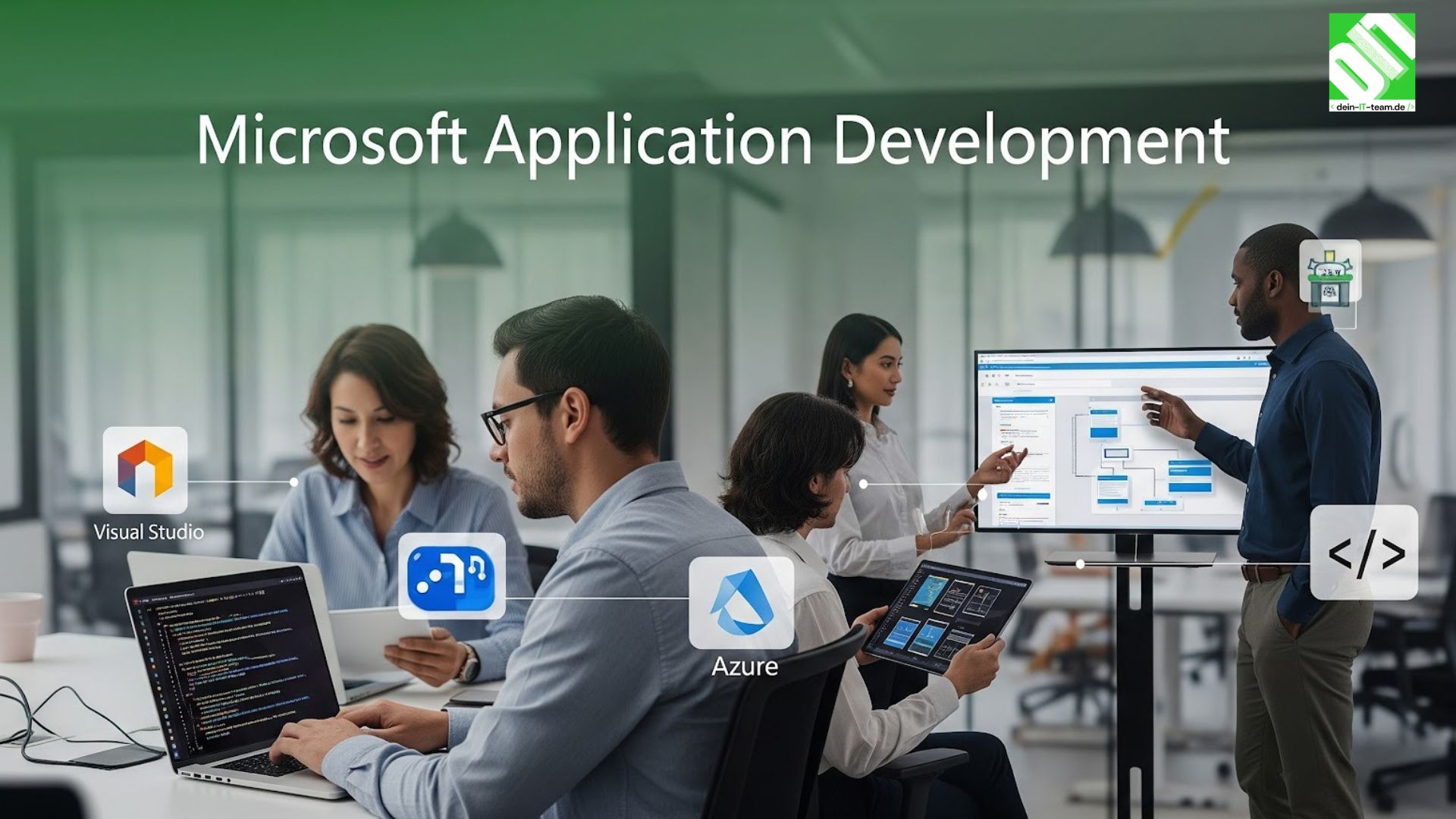
Learn how Microsoft application development using .NET and Azure powers secure, scalable web, cloud, and enterprise software solutions.
Microsoft application development refers to the end-to-end process of designing, developing, deploying, and maintaining software applications using Microsofts development ecosystem. These applications are built to support a wide range of business functions, including operations management, customer engagement, data processing, automation, and enterprise collaboration.
Over the years, Microsoft has evolved from a desktop software provider into a full-scale technology ecosystem supporting cloud computing, modern web applications, enterprise mobility, and advanced analytics. Businesses across industries rely on Microsoft-based solutions because of their stability, strong security posture, and long-term vendor support.
This blog provides a complete and practical overview of Microsoft application development, covering its core technologies, application types, benefits, and why it continues to be a strategic choice for organizations seeking scalable and future-ready software solutions.
Key Takeaways
Microsoft application development supports web, desktop, cloud, and enterprise-grade software
The Microsoft ecosystem is known for security, scalability, and long-term reliability
Technologies such as .NET and Azure power modern, high-performance applications
Microsoft-based applications integrate seamlessly with existing enterprise tools
A structured development approach ensures performance, maintainability, and growth
What is Microsoft Application Development?
Microsoft application development involves creating software solutions using Microsoft-supported programming languages, frameworks, and infrastructure. These applications are commonly used for internal enterprise systems, customer-facing platforms, cloud services, and data-driven business tools.
A key advantage of Microsofts development ecosystem is its consistency. From development environments to deployment platforms, Microsoft provides a unified toolchain that simplifies application lifecycle management. This helps reduce compatibility issues and ensures smoother upgrades and maintenance.
Organizations often choose Microsoft application development when they need secure, scalable, and reliable solutions that can support long-term business objectives.
Core Technologies Powering Microsoft Applications
Microsoft provides a mature and continuously evolving technology stack that supports different development needs and application architectures.
Key Technologies Include:
.NET Framework and modern .NET versions for building scalable web, desktop, API, and cloud applications
Microsoft Azure for cloud hosting, DevOps automation, scalability, and application monitoring
SQL Server and Azure-based databases for secure, high-performance data storage and management
ASP.NET, Blazor, and UI frameworks for building responsive and user-friendly interfaces
Businesses that invest in Microsoft Technologies Development Services benefit from optimized system architecture, adherence to best practices, and faster time-to-market while ensuring long-term scalability.
Types of Applications Built Using Microsoft Technologies
Microsofts ecosystem supports a wide variety of application types, making it suitable for organizations with diverse operational requirements.
Common Application Categories:
Web applications, including enterprise portals, SaaS platforms, and customer dashboards
Cloud-native solutions designed for scalability, availability, and remote access
Desktop applications used for internal operations, reporting, and system-level workflows
Enterprises that require robust, system-integrated desktop software often rely on Windows app development services to ensure performance, usability, and long-term stability across Windows environments.
Benefits of Microsoft Application Development
Microsoft-based application development offers several advantages that make it a preferred choice for businesses of all sizes.
Key Benefits:
Enterprise-grade security, including identity management, access control, and compliance support
Scalability, allowing applications to grow alongside business demands without major rework
Seamless integration with Microsoft tools such as Microsoft 365, Dynamics, Power BI, and third-party systems
Long-term reliability, supported by Microsofts extensive documentation, updates, and global support
These benefits make Microsoft application development particularly suitable for industries where performance, data security, and compliance are critical.
Role of .NET in Modern Microsoft Applications
.NET is the backbone of modern Microsoft application development. It enables developers to build applications using clean, modular, and maintainable code structures. With support for APIs, microservices, and cloud-native architectures, .NET allows businesses to adapt applications to changing requirements.
Organizations often collaborate with a Microsoft Net Development Company to ensure their applications follow proper architectural standards, use optimized frameworks, and remain easy to scale and maintain. This approach helps reduce technical debt and improves overall application lifespan.
.NETs cross-platform capabilities also allow businesses to extend applications beyond Windows environments when required.
Microsoft Application Development and Digital Transformation
Microsoft application development plays a significant role in digital transformation initiatives. Businesses use Microsoft technologies to modernize legacy systems, migrate on-premises applications to the cloud, and introduce automation into existing workflows.
By leveraging cloud platforms, data analytics tools, and modern development frameworks, organizations can improve operational efficiency, enable real-time insights, and enhance user experiences. Microsofts ecosystem supports gradual transformation, allowing businesses to evolve without disrupting ongoing operations.
Choosing the Right Microsoft Development Strategy
Selecting the right development approach depends on business goals, system complexity, and future scalability requirements. Some organizations focus on cloud-first strategies, while others prioritize modernizing existing enterprise applications.
A well-planned Microsoft development strategy ensures applications are secure, scalable, and aligned with long-term business objectives. Proper planning also minimizes maintenance costs and ensures smoother upgrades as technologies evolve.
Conclusion
Microsoft application development continues to be a dependable and future-ready approach for building secure, scalable, and high-performance software solutions. Its comprehensive ecosystem supports enterprise web platforms, cloud-native systems, and desktop applications, making it adaptable to evolving business needs.
Partnering with an experienced Microsoft Net Development Company allows organizations to fully leverage Microsoft technologies while ensuring long-term performance, security, and scalability.
FAQs
1. What types of businesses benefit from Microsoft application development?
Businesses of all sizes, especially those in finance, healthcare, manufacturing, logistics, and SaaS, benefit due to Microsofts security, scalability, and enterprise focus.
2. Can existing applications be modernized using Microsoft technologies?
Yes, legacy applications can be modernized using .NET and Azure, enabling better performance, cloud integration, and improved maintainability.
3. Is Microsoft application development suitable for long-term projects?
Yes, Microsoft provides long-term support, regular updates, and a stable ecosystem, making it ideal for long-term and mission-critical applications.
Recent Posts

September 29, 2026