

Streamlining Software Deployment Speed with Modern CI/CD Pipelines
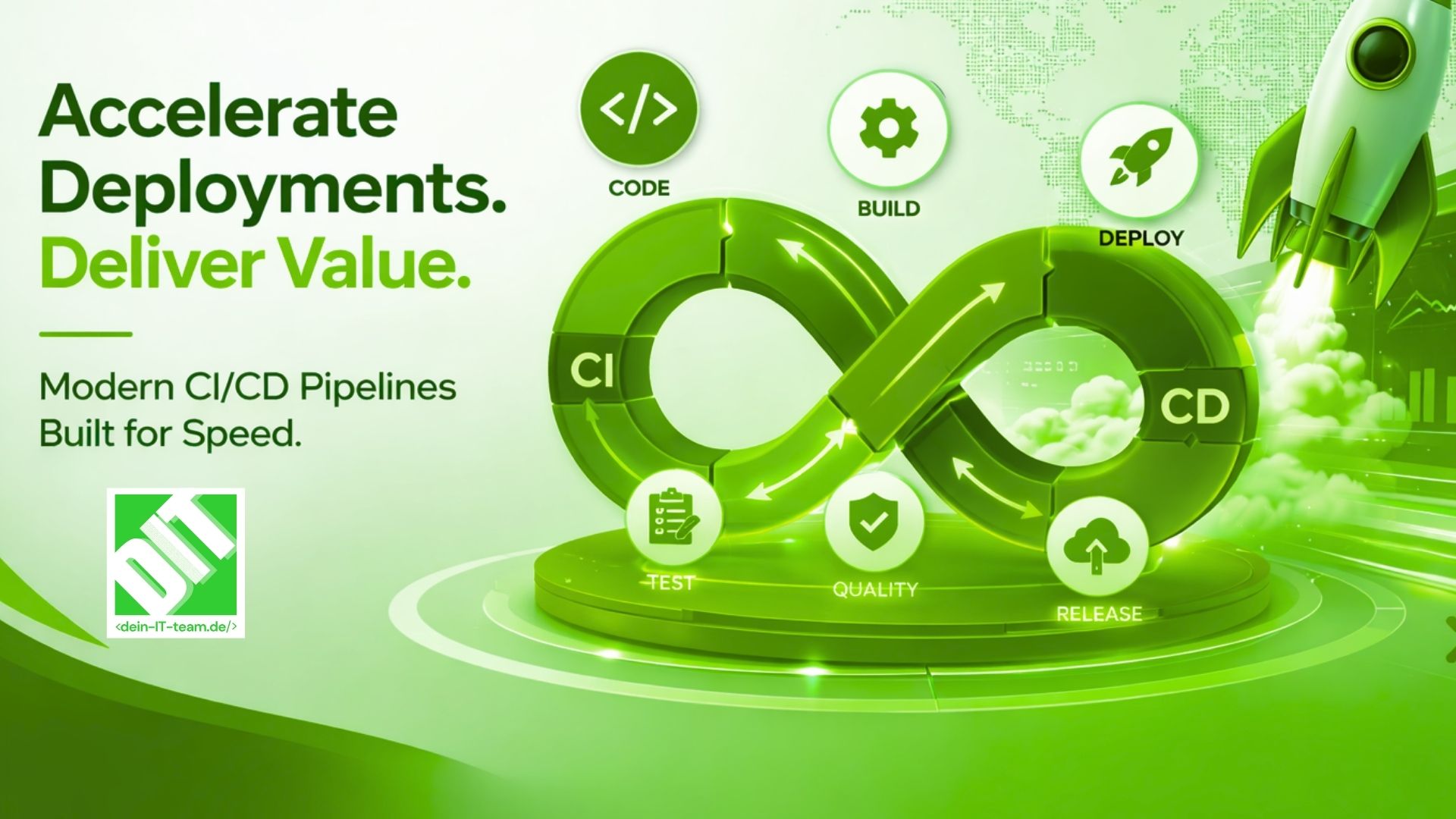
Eliminate engineering bottlenecks. Learn how automated CI/CD pipelines accelerate software deployment speed while protecting live product stability.
Slow development releases, compilation bottlenecks, and software regression bugs represent significant risks for scaling digital ecosystems. In traditional development setups, engineering squads write extensive blocks of application code in isolated local feature environments, merging their changes into main integration branches only at the very end of a sprint cycle. This delayed combination inevitably triggers severe dependency conflicts, broken build states, and frantic manual debugging sessions right before a product launch deadline.
To eliminate these infrastructure bottlenecks, modern tech organizations must change how they integrate and release code. Transforming software delivery into a predictable, automated science allows companies to minimize manual interventions, protect production environments, and keep release cycles fast. Implementing DevOps services enables enterprises to replace error-prone development routines with fully automated cloud validation engines, maximizing engineering velocity.
Key Takeaways
*Fragmented manual deployment steps drastically extend software release timelines and introduce severe production errors.
*Automated continuous integration pipelines validate code changes instantly, catching application regressions within minutes.
*Decoupled staging and delivery frameworks let product teams continuously deploy microservices without causing platform downtime.
*Modern infrastructure orchestration ensures testing sandboxes match production server environments perfectly.
*Shifting validation checks early inside development lifecycles protects systems from costly, late-stage software bug patches.
The Operational Strain of Disconnected Release Pipelines
The persistent obstacle to rapid product iteration is not a lack of developer talent; it is the friction of manual software coordination. When an engineering squad relies on manual staging validations, human server configuration adjustments, and unverified data transfers, deployment consistency plummets. A single oversight in an environmental variable or database migration path can completely halt user-facing operations, triggering immediate financial loss.
This operational drag directly harms corporate agility. Senior backend engineers spend valuable working hours manually building packages, verifying dependencies, and executing verification scripts instead of working on core feature expansions. By upgrading these manual release pipelines through structured custom software development frameworks, companies create a clear separation of concerns. Automated triggers immediately assume the burden of routine environment testing, ensuring raw code updates morph securely into production assets without administrative delays.
Transitioning From Manual Merges to Continuous Integration (CI)
Continuous Integration (CI) resolves development merge bottlenecks by forcing small, frequent code updates directly into a shared central repository. The moment a software developer pushes a new feature branch to your version control provider, an automated runner fires up isolated testing sandbox blocks. This framework runs compilation checks, processes unit tests, calculates code test coverage, and scans code dependencies for active security vulnerabilities automatically.
If a recent commit inadvertently breaks an existing application transaction flow, the integration system fails the test run instantly, notifying the engineering squad. This immediate visibility stops defective changes from drifting deeper into your technology ecosystems. Maintaining this continuous processing speed requires highly stable cloud integration services. This ensuring your automated testing tools have instant, elastic access to high-speed cloud compute power whenever internal development activity spikes.
Achieving Predictable Ship Metrics with Continuous Delivery (CD)
Once your software code successfully passes through validation checks, Continuous Delivery (CD) automates the package creation and cloud infrastructure staging steps. Instead of forcing systems engineers to manually transfer build binaries over secure shell protocols, the deployment engine rolls out the verified release version directly to target testing or production clusters using container environments.
This delivery automation ensures that server configurations, networking rules, and data access points remain uniform across all computing tiers. By eliminating environmental differences between staging sandboxes and actual live systems, tech leaders ensure that code behavior observed in testing mirrors live behavior accurately. To dive deeper into the core operational frameworks behind these automated steps, analyzing clear infrastructure comparisons like ci-cd pipeline vs devops provides corporate technical decision-makers with a complete roadmap for connecting engineering habits directly into larger corporate digital goals.
Conclusion
Accelerating enterprise software deployment speed is not about taking shortcuts during structural validation or pushing code faster than your engineers can verify it. It is an engineering commitment to embedding rigorous, automated guardrails into every step of your development lifecycle. By right-sizing validation steps, automating build packaging, and building uniform, template-driven staging environments, you transform development infrastructure from a system bottleneck into a competitive business asset. This structured operational agility protects product release schedules, stabilizes production systems, and creates the reliable framework needed to continuously deploy core technical innovations with absolute corporate confidence.
Frequently Asked Questions
What is the core difference between Continuous Delivery and Continuous Deployment?
Continuous Delivery automatically validates code changes and packages them for a production release, but requires a manual click from an authorized engineering stakeholder to push the update live. Continuous Deployment automates this final step entirely, routing every single validated change directly into live production ecosystems without human intervention.
How do container technologies like Docker help speed up automated CI/CD pipelines?
Containers package application files, environment variables, and essential dependencies into a single lightweight execution image. This guarantees that your software runs completely identical across a developer’s local laptop, an automated testing runner, and a live production cloud environment, eliminating environmental bugs.
Can an existing legacy system be upgraded with modern CI/CD automation?
Yes. While it requires extracting hardcoded configurations and structuring automatic testing frameworks, automated pipelines can be integrated incrementally around legacy architectures. This gradually lowers development bugs without disrupting active operational data flows.
Recent Posts
October 16, 2026

October 14, 2026
October 13, 2026