

Machine Learning in Business: Real-World Applications Explained
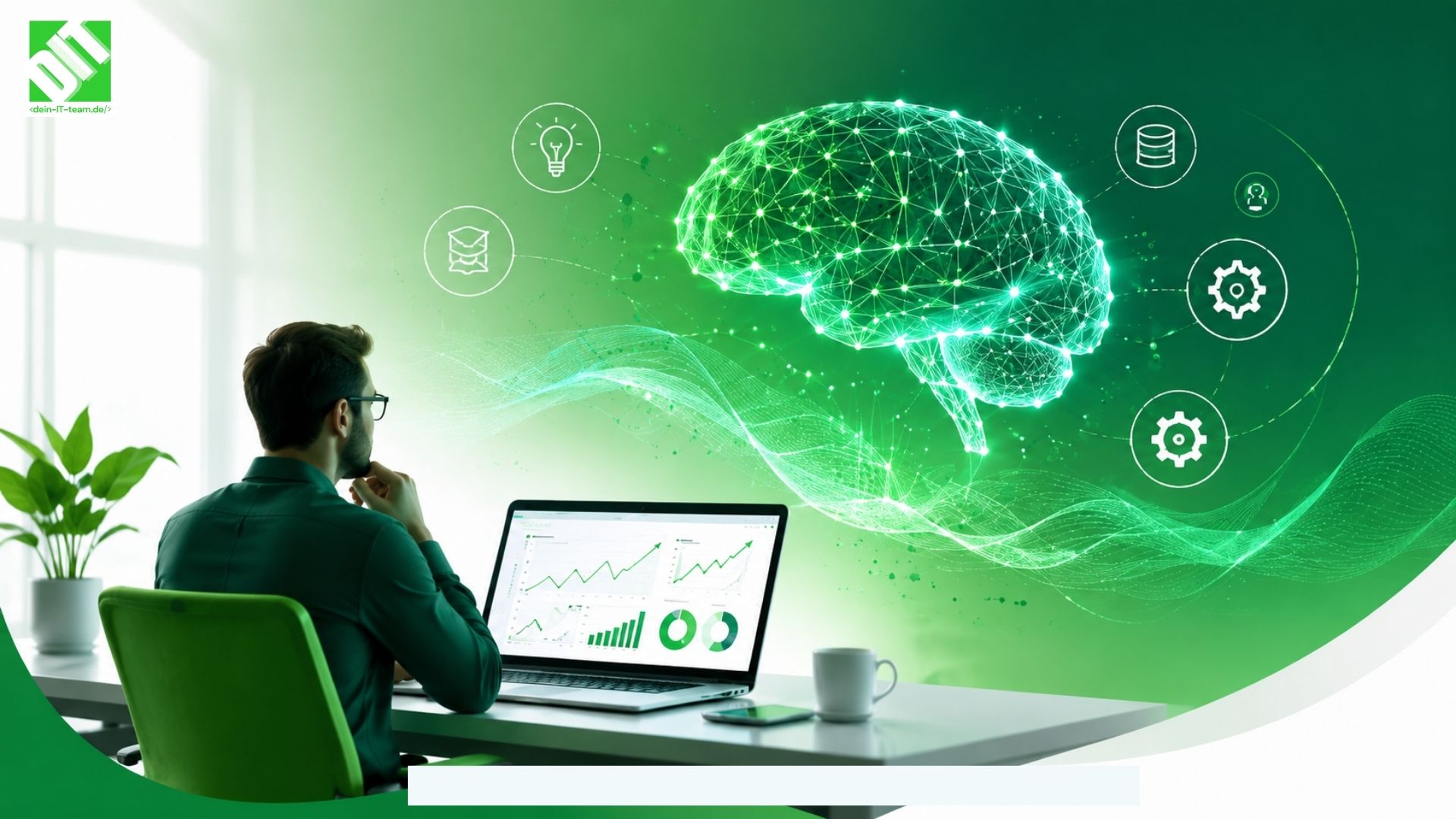
Discover how machine learning drives smarter decisions, automation, and business growth.
Machine learning is no longer a futuristic concept—it is actively reshaping how businesses operate, make decisions, and deliver customer value. From predictive analytics to intelligent automation, companies are rapidly adopting AI-powered business solutions to stay competitive in a data-driven economy.
At the center of this transformation is AI integration in business, where machine learning models are embedded into core operations to enhance efficiency and decision-making.
What Makes Machine Learning So Valuable for Businesses?
Machine learning enables systems to learn from data patterns and improve over time without explicit programming. This makes it one of the most powerful tools for modern enterprises.
Key benefits include:
Improved forecasting and predictions
Faster and more accurate decision-making
Automation of repetitive processes
Enhanced customer experience personalization
Reduced operational inefficiencies
Real-World Applications of Machine Learning in Business
1. Predictive Analytics for Smarter Decision-Making
Businesses use machine learning to analyze historical data and predict future outcomes such as demand trends, customer behavior, and financial performance. This reduces uncertainty and improves strategic planning.
2. Customer Experience Personalization
Machine learning enables companies to analyze user behavior and deliver highly personalized recommendations, marketing campaigns, and product suggestions. This significantly improves engagement and conversion rates.
3. Fraud Detection and Risk Management
Financial institutions and online platforms use machine learning to detect unusual patterns in real time. These systems continuously evolve, making them highly effective in preventing fraud and minimizing risks.
4. Supply Chain and Inventory Optimization
Machine learning helps businesses forecast demand, manage stock levels, and optimize logistics. This reduces waste and ensures smoother operations across supply chains.
5. Intelligent Process Automation
Machine learning combined with automation technologies improves efficiency by streamlining repetitive tasks such as invoicing, data entry, and workflow approvals.
The Future of Machine Learning in Business
The future of machine learning is evolving into a deeply integrated ecosystem that will redefine how organizations operate.
One major shift will be the rise of autonomous decision-making systems, where AI models not only analyze data but also trigger actions in real time. This will significantly reduce dependency on manual processes and speed up business operations.
Another development is the integration of machine learning with cloud and edge computing, allowing real-time processing of large datasets and faster insights across industries like healthcare, logistics, and finance.
Hyper-personalization will also become standard, where customer experiences are dynamically adapted based on behavior, preferences, and historical interactions.
Machine learning will also become more accessible through low-code and no-code platforms, enabling wider adoption among small and medium businesses.
At the same time, ethical AI and responsible machine learning will become essential, ensuring fairness, transparency, and data privacy in all deployments.
Overall, machine learning will evolve from a supportive technology into a core business driver influencing strategy, operations, and customer experience.
Conclusion
Machine learning is now a core pillar of modern digital transformation. Its ability to analyze data, predict outcomes, and automate decision-making is reshaping industries across the board.
Businesses adopting AI-powered business solutions are gaining a competitive advantage through improved efficiency and better decision-making. Intelligent process automation is further reducing manual effort and operational costs.
Long-term success depends on how effectively organizations implement custom software solutions for businesses that integrate machine learning into their core systems.
Companies that invest early in these technologies are building scalable, future-ready digital ecosystems capable of adapting to rapid market changes.
FAQs
1. How is machine learning used in business today?
Machine learning is used for predictive analytics, automation, fraud detection, customer personalization, and supply chain optimization.
2. What industries benefit most from machine learning?
Industries like finance, healthcare, retail, logistics, and manufacturing benefit the most due to their data-heavy operations.
3. Can small businesses use machine learning?
Yes, with cloud-based tools and scalable platforms, even small businesses can adopt machine learning effectively.
Recent Posts

October 13, 2026
October 12, 2026