Custom API Development: Linking Your Internal Business Applications
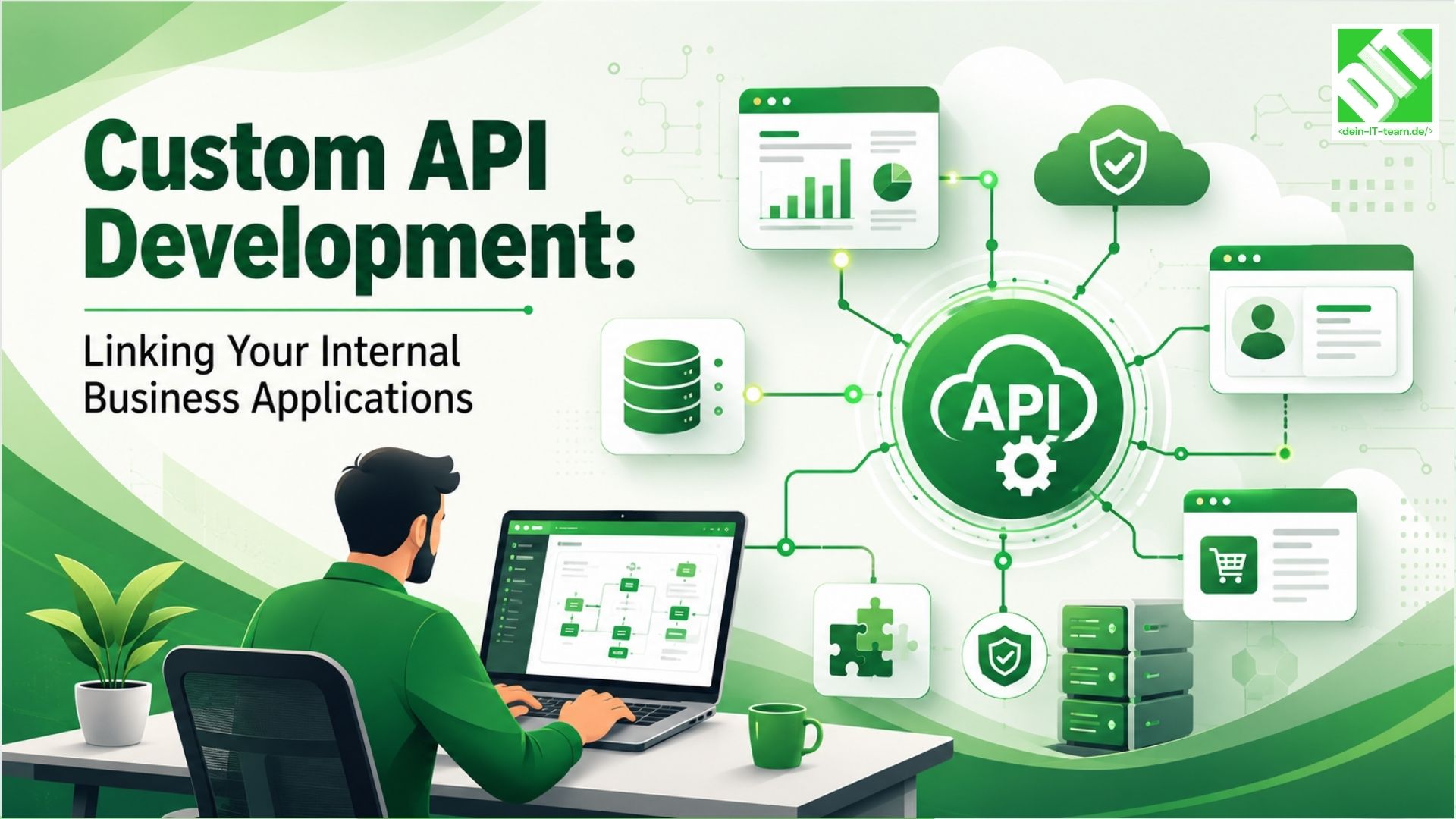
Link internal tools and optimize workflows with custom api development using our enterprise software integration guide.
In a digital landscape where enterprise processing requirements demand unmatched velocity, maintaining isolated software ecosystems is one of the quickest ways a business can stall its growth. For corporate decision-makers, software infrastructure must act as a driver of commercial scaling rather than a source of continuous technical debt. While legacy setups and brittle tools frequently buckle under intense multi-channel data streams, modern software alignment demands an ecosystem optimized for security, deployment velocity, and cross-platform flexibility. Partnering with a dedicated nearshore team to connect your tools allows your organization to build exceptionally stable corporate platforms engineered to process heavy transactional workloads with absolute confidence. If you are struggling with fragmented databases, scheduling a consultation with a team specializing in custom software development can help map out your baseline technology gaps before they impact client satisfaction metrics.
Key Takeaways
Eliminate Operational Silos: Connecting disjointed programs removes the need for manual data double-entry and prevents internal processing friction.
Accelerate Data Velocity: Building dedicated backend connectors ensures information routes instantly between financial, CRM, and cloud storage layers.
Fortify System Security: Custom communication protocols protect proprietary corporate records with modern encryption standards during transits.
Maximize Software ROI: Unifying independent off-the-shelf software packages extends the operational lifecycle of your current technology assets.
The Growth Bottleneck of Fragmented Software Tools
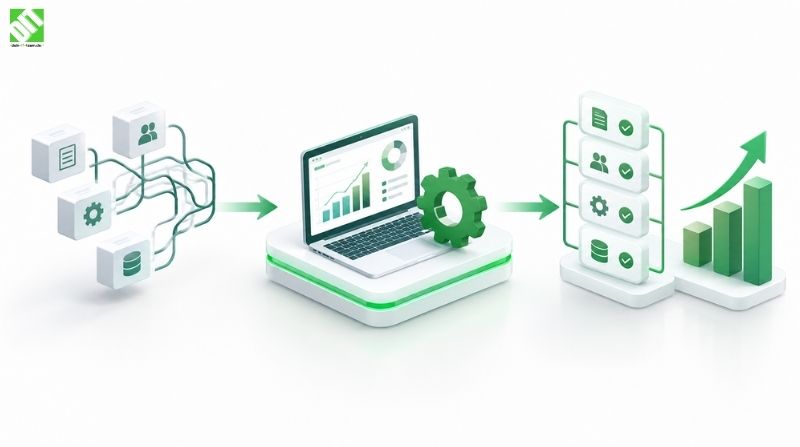
When a mid-market organization begins to expand, internal operations naturally grow more complex. The classic symptom of this milestone is a sudden spike in hidden administrative strain. Teams find themselves trapped in manual data transformation loops, cross-checking client invoices across independent applications, or manually updating local spreadsheets to compile high-level performance metrics. Every hour a senior employee spends performing repetitive data entry tasks is an hour stolen from high-value strategic growth.
Protecting fragmented setups creates a dangerous ceiling for your business momentum. Left unaddressed, manual processing friction leads to data errors, missed delivery windows, and growing internal employee fatigue. Embracing professional custom api development allows expanding companies to reshape obsolete software architectures into responsive systems engineered to manage massive operational scaling. Transitioning your technology stack from an expensive maintenance anchor into a highly flexible ecosystem guarantees your operational longevity, ensuring your enterprise can respond to multi-channel customer demands with absolute processing velocity. To bridge these execution gaps effectively from the start, many brands choose to begin by modernizing their core presentation layers through custom web development to ensure clean data input interfaces.
Deploying Strategic Application Integration Solutions
To successfully eliminate administrative bloat, engineering teams focus heavily on establishing cohesive tool communication. For companies relying on separate standalone programs, this means implementing broad application integration solutions tailored to daily workflow patterns. When your customer management software, billing tools, and logistics platforms update instantly via unified logic lines, manual confirmation steps disappear completely.
Developing these clean, responsive platform connections demands deep engineering expertise across specialized enterprise frameworks and database architectures. Aligning your platform upgrade strategies with professional api development services ensures that your backend systems run on secure, stable, and highly scalable codebases engineered to handle heavy corporate datasets with native precision. A unified framework acts as the underlying digital spine that keeps every department fully aligned on identical production metrics in real time.
Structuring a Resilient API Integration Framework
A highly connected software architecture does more than just replace manual work; it allows independent business environments to exchange mission-critical assets cleanly without human intervention. In modern workflows, connecting disconnected business nodes requires a structured api integration framework that links frontend transactional portals smoothly to your central databases.
By building direct endpoints, businesses ensure that whenever a customer logs a request or triggers a transaction, all backend accounting, fulfillment, and resource systems update instantly. This level of cross-system responsiveness requires an elastic infrastructure that handles heavy seasonal traffic bursts without slowing down. To see how foundational structural choices directly translate into raw corporate efficiency, reviewing our detailed analysis on How Scaling Your Company Requires Custom Digital Tools gives your leadership team a transparent look at optimizing software product lifecycles. For Microsoft-reliant environments, setting up a unified architecture through dedicated microsoft application development services provides maximum architectural reliability.
Maximizing Performance Through Cloud Application Integration
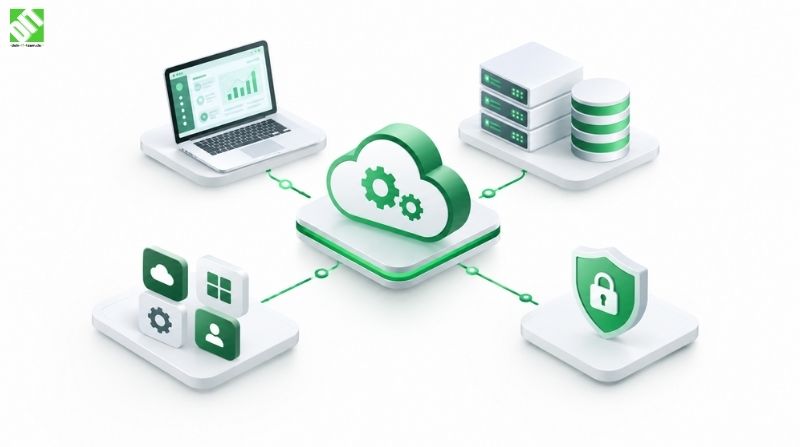
Moving your local software logic to an interconnected cloud provider is a crucial step to achieve true business flexibility. Implementing comprehensive cloud application integration remedies data friction by breaking down large, heavy applications into modular microservices. This allows different sections of your platform to scale independently based on live demand.
These optimization loops ensure your infrastructure uses minimal server memory during low-traffic windows while remaining capable of handling massive transactional workloads instantly during peak operational periods. Direct cloud migrations without tailored code adjustments can cause old, unoptimized tools to use computing power inefficiently, leading to spike changes in monthly server bills. Partnering with a specialized team that offers deep expertise across cloud integration services pathways is an essential requirement to establish these stable cloud connections that protect your profit margins as your brand expands.
Conclusion: Driving Business Efficiency via Connectivity
Unifying your internal business applications is no longer an optional IT project reserved for backend technical teams; it is a critical corporate business strategy required to protect your market share, increase staff productivity, and scale profit margins. By replacing slow, manual tasks with unified cloud systems and custom automation loops, you remove the hidden barriers that restrict your team's daily productivity. Investing in professional software engineering completely shields your corporate records with elite enterprise security baselines while preparing your entire platform infrastructure to adapt instantly to future software innovations.
When data flows freely across your enterprise through custom-built interfaces, you unlock the operational elasticity needed to outperform changing market conditions. Rather than wasting valuable resources on correcting human transcription mistakes or managing data silos, your workforce is freed to focus entirely on client acquisition, product refinement, and long-term business strategy. Realizing this connected future demands a verified development partner capable of architecting secure, reliable, and highly performant data pipelines that grow alongside your enterprise requirements.
Frequently Asked Questions
What are the key operational signs that a business requires custom API development?
The clearest indicators include departments manually copying and pasting records between separate software tools, frequent errors in customer billing or inventory logs caused by slow data syncs, and an inability to connect your existing core business programs with modern mobile apps or external supplier platforms.
How does custom API development keep sensitive corporate data secure during transfers?
Experienced development squads integrate enterprise-grade security baselines into every endpoint. This includes mandatory multi-factor authentication protocols, restricted role-based data access parameters, and continuous cryptographic encryption paths that safely shield your sensitive information from unauthorized external interception.
Can custom application connectors link old on-premise legacy platforms with new web apps?
Yes. Custom engineering allows for the creation of secure intermediary API layers that act as translators. These links allow old legacy databases to talk smoothly and instantly with modern cloud environments or custom mobile interfaces, removing the need to manually copy records while protecting your operational runtime stability.
Recent Posts
September 25, 2026