

Top Signs Your Business Technology Stack Is Holding You Back

Discover the key signs your business technology stack is limiting growth and learn how modern solutions improve efficiency and scalability.
Technology plays a critical role in how modern businesses operate, communicate, and grow. From customer management systems to cloud platforms and business applications, companies rely on multiple digital tools every day. However, as businesses evolve, many continue using outdated or disconnected systems that create inefficiencies instead of supporting growth.
A poorly optimized technology stack can slow operations, reduce productivity, increase costs, and limit scalability. Businesses that invest in scalable and integrated custom software development services are often better positioned to adapt quickly and improve operational performance.
In this article, we’ll explore the top signs that your business technology stack may be holding you back and what you can do about it.
Key Takeaways
Outdated systems reduce efficiency and scalability
Poor integration creates operational bottlenecks
Manual processes increase costs and errors
Slow systems negatively impact customer experience
Modernization improves agility and long-term growth
1. Your Systems Don’t Communicate With Each Other
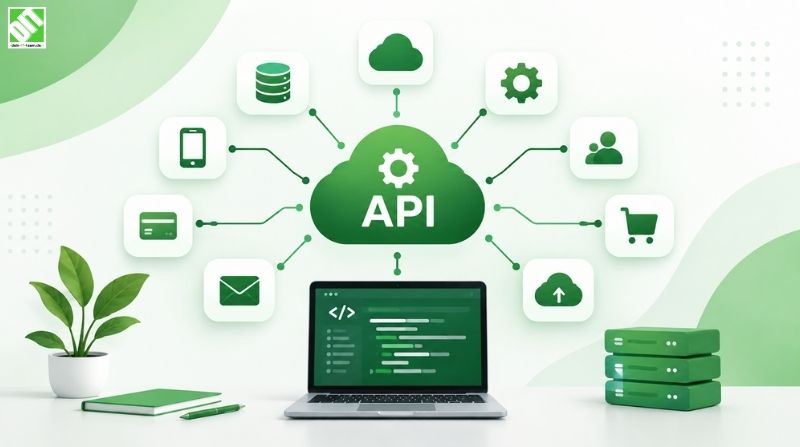
One of the clearest signs of an ineffective technology stack is disconnected systems. When departments rely on separate tools that do not share data efficiently, businesses experience delays, duplicated work, and inconsistent information.
This lack of integration creates operational bottlenecks and makes decision-making more difficult. Businesses using scalable cloud integration services can streamline communication between platforms and improve data visibility across the organization.
2. Employees Spend Too Much Time on Manual Tasks
If your team spends hours handling repetitive processes such as data entry, reporting, or transferring information between systems, your technology stack is likely limiting productivity.
Modern businesses need automation and workflow optimization to reduce manual effort and improve efficiency. Over-reliance on manual operations not only increases costs but also creates a higher risk of human error.
3. Your Technology Cannot Scale With Business Growth
As businesses grow, their technology needs become more complex. Systems that once worked well may struggle to handle increased users, larger datasets, or expanding operational requirements.
A scalable technology environment is essential for supporting long-term growth. Businesses relying on outdated software often face performance issues, downtime, and rising maintenance costs as they scale.
4. Slow Performance Is Affecting Productivity
Slow-loading applications, lagging systems, and delayed workflows can significantly impact employee productivity and customer satisfaction.
In competitive industries, speed matters. Businesses need fast and responsive systems that enable teams to work efficiently and customers to interact seamlessly.
Performance issues often indicate outdated infrastructure or poorly optimized applications that require modernization.
5. You Are Using Too Many Separate Tools
Many businesses adopt multiple standalone tools over time without a long-term strategy. While each tool may solve a specific problem, managing too many disconnected platforms creates complexity and inefficiency.
A fragmented technology stack increases operational overhead and makes maintenance more difficult. Businesses benefit from unified solutions that simplify workflows and improve collaboration.
6. Security and Compliance Risks Are Increasing
Outdated systems often lack modern security capabilities, making businesses more vulnerable to cyber threats and compliance issues.
As regulations evolve and cybersecurity risks grow, organizations must ensure their technology stack includes secure and updated infrastructure. Modern software environments provide stronger protection, better access control, and improved monitoring capabilities.
7. Your Customers Are Experiencing Friction
Customer experience is directly connected to technology performance. Slow systems, poor integrations, and inconsistent processes can frustrate users and reduce trust in your business.
If customers face delays, repetitive communication, or inconsistent experiences across channels, it may indicate that your technology stack is no longer meeting business demands.
Companies investing in scalable web application development solutions often improve user experience by creating faster, more connected, and customer-focused digital platforms.
Solution / Recommendation
Businesses should regularly evaluate whether their technology stack aligns with current operational needs and future growth objectives.
Modernizing systems does not always mean replacing everything at once. In many cases, businesses can gradually improve efficiency by integrating platforms, automating workflows, and replacing outdated applications strategically.
The key is building a flexible and scalable technology environment that supports productivity, collaboration, and innovation.
Insight / Clarification
A common misconception is that technology problems only affect large enterprises. In reality, growing businesses often experience the biggest operational challenges because their systems were not designed to scale.
Another misconception is that adding more tools automatically improves efficiency. In many cases, too many disconnected tools create more complexity instead of solving business problems.
The focus should always be on creating a streamlined ecosystem where systems work together efficiently.
Conclusion
Technology should accelerate business growth—not slow it down. Yet many organizations continue operating with outdated, fragmented, or inefficient systems that create unnecessary operational challenges.
A technology stack that no longer supports scalability, automation, or integration can impact every area of the business, from internal productivity to customer experience. Over time, these limitations increase costs, reduce agility, and make it harder for businesses to compete effectively.
The signs discussed in this article highlight the importance of regularly evaluating whether your systems still align with your business goals. Poor integration, manual processes, slow performance, and growing security concerns are all indicators that modernization may be necessary.
Modern businesses require connected, scalable, and flexible technology environments that can adapt to changing market demands. Organizations that proactively improve their systems are better equipped to innovate, optimize operations, and deliver stronger customer experiences.
Ultimately, technology should function as a strategic advantage rather than an operational obstacle. Businesses that invest in the right digital foundation today will be far better prepared for growth, transformation, and long-term success in the future.
FAQs
What is a business technology stack?
A technology stack refers to the collection of software, platforms, and tools a business uses to manage operations and deliver services.
How do I know if my technology stack is outdated?
Common signs include poor integration, slow performance, manual workflows, and scalability limitations.
Why is technology stack optimization important?
An optimized technology stack improves efficiency, scalability, security, and customer experience.Type or paste your content here!
Recent Posts
September 24, 2026
September 22, 2026