
Custom Software vs Off-the-Shelf Solutions: What Works Best for Your Business?
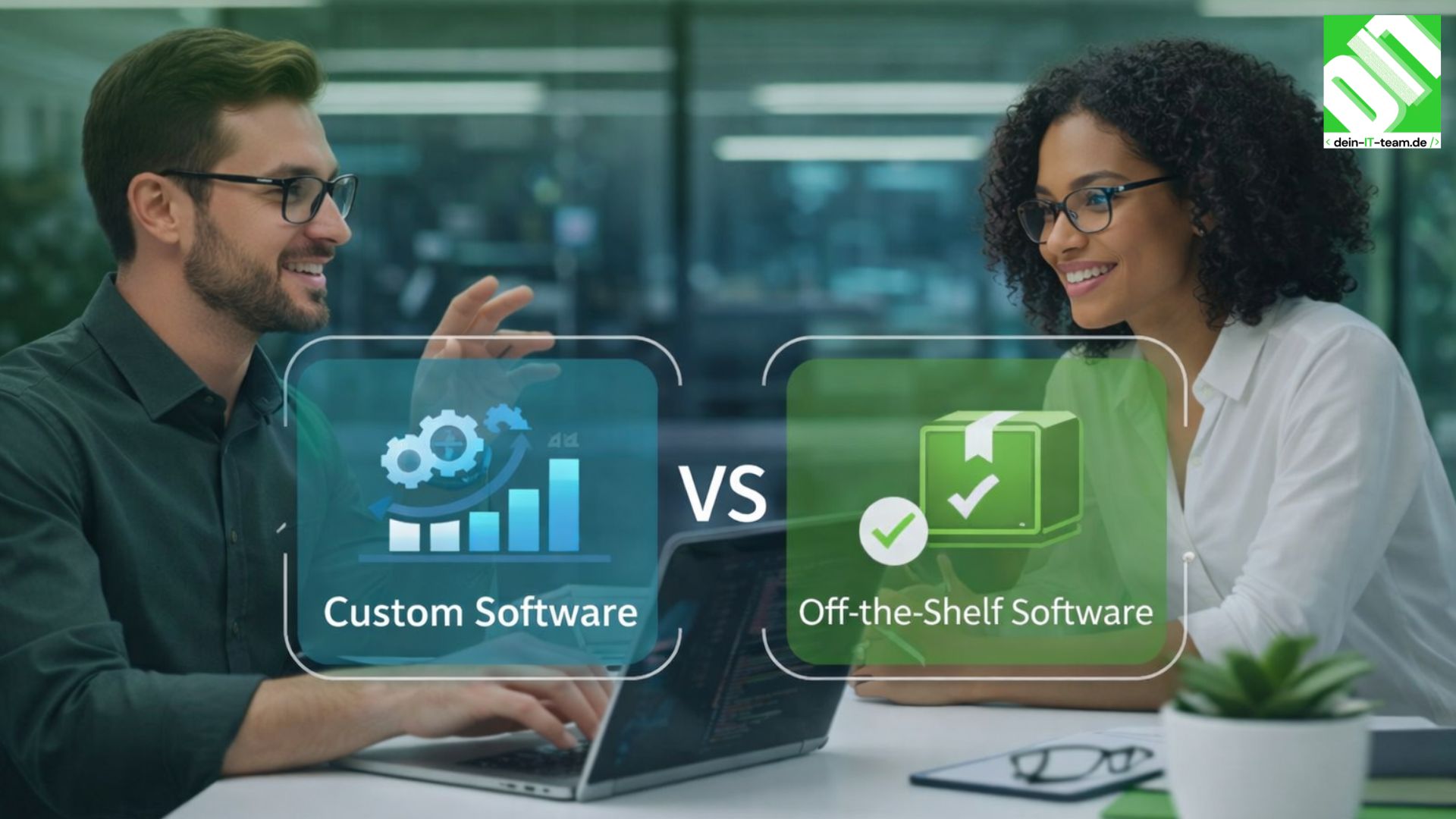
Compare custom software vs off the shelf solutions. Learn which option fits your business needs, budget, and long-term growth.
Introduction
Choosing the right software is one of the most important decisions a business can make. The wrong choice can lead to inefficiencies, limited growth, and unnecessary costs.
When comparing custom software vs off the shelf, many businesses struggle to decide which option truly fits their needs. Off-the-shelf solutions promise quick deployment, while custom-built systems offer flexibility and control.
This guide breaks down both options in a clear, practical way so you can make a confident, long-term decision based on your business goals.
Key Takeaways
Custom solutions are built specifically for your workflows, while off-the-shelf tools are designed for general use
Off-the-shelf software is faster to deploy but may limit scalability over time
custom software development offers better flexibility and long-term value
Businesses with unique processes benefit more from tailored solutions
With proper software consulting services, companies can avoid costly mistakes when choosing software
Growth-focused companies often rely on scalable application development to support future expansion
What Is Custom Software?
Custom software is built specifically for your business needs and designed from scratch to match your workflows, goals, and operational structure. Instead of adjusting your business processes to fit the software, the software is developed to align perfectly with how your organization operates.
This type of solution provides full flexibility, allowing businesses to include only the features they need while maintaining the ability to scale over time. It also integrates smoothly with existing systems, making it easier to streamline operations and improve efficiency. For companies that require control, adaptability, and long-term reliability, custom software becomes a strategic investment rather than just a tool.
What Is Off-the-Shelf Software?
Off-the-shelf software is a ready-made solution designed for a broad range of users and industries. It is pre-built, tested, and available for immediate use, which makes it a convenient option for businesses that need a quick setup.
These solutions typically include standard features that work well for common business needs such as customer management, accounting, or project tracking. However, because they are built for mass use, customization options are limited. Businesses often need to adjust their workflows to match the software rather than the other way around, which can create inefficiencies over time.
Custom Software vs Off the Shelf: Key Differences
1. Flexibility and Customization
Custom software offers complete flexibility, allowing businesses to design features that align exactly with their requirements. This ensures that every function supports the companys workflow without unnecessary limitations.
In contrast, off-the-shelf software provides only limited customization. Businesses often find themselves adapting their processes to fit the softwares structure, which can reduce efficiency and create friction in daily operations. For organizations with unique or complex workflows, this lack of flexibility can become a significant challenge.
2. Cost Consideration
Off-the-shelf software usually has a lower upfront cost, making it an attractive option for startups or businesses with limited budgets. It allows companies to get started quickly without a large initial investment.
Custom software, on the other hand, requires a higher upfront investment. However, it often proves more cost-effective in the long run. By eliminating recurring licensing fees, reducing inefficiencies, and minimizing the need for multiple tools, custom solutions can deliver stronger long-term value.
3. Scalability
Custom-built systems are designed with growth in mind. As your business expands, you can add new features, integrate additional tools, and scale the system without major disruptions.
Off-the-shelf software may work well in the early stages, but it can become restrictive as your business grows. Many companies eventually outgrow these solutions and face limitations that require switching systems or adding complex workarounds.
4. Integration with Existing Systems
Custom software can be developed to integrate seamlessly with your existing tools and infrastructure. This ensures smooth data flow across systems and reduces manual work.
Off-the-shelf solutions often lack this level of compatibility. Businesses may need additional tools or custom integrations to connect systems, which can lead to inefficiencies and data silos over time.
5. Time to Deployment
One of the main advantages of off-the-shelf software is speed. Since it is already developed, businesses can start using it almost immediately.
Custom software takes more time because it involves planning, development, and testing. However, this additional time ensures that the final product is aligned with business needs, which can result in better performance and long-term efficiency.
When Should You Choose Custom Software?
Custom software is the right choice when your business has unique workflows that cannot be supported by standard tools. It is also ideal when you require advanced integrations, need full control over system functionality, or are planning for long-term growth.
In such situations, investing in custom software development allows you to build a system that supports your operations without compromise. It ensures that your software evolves alongside your business instead of limiting it.
When Should You Choose Off-the-Shelf Software?
Off-the-shelf software is suitable for businesses with simple or standard requirements. It works well when you need a quick solution, have a limited budget, or are testing a new idea without committing to a long-term investment.
For early-stage businesses or short-term needs, these solutions provide a practical and efficient way to get started without complexity.
Solution
If you are unsure which option is right for your business, the best approach is to evaluate both your current needs and your future goals. Understanding your workflows, expected growth, and integration requirements is essential before making a decision.
Working with experienced software consulting services can help you analyze these factors clearly and avoid costly mistakes. For businesses focused on long-term efficiency and expansion, investing in scalable application development
ensures that your systems grow with your operations rather than holding them back.
Insight: Why Many Businesses Shift to Custom Software
Many businesses begin with off-the-shelf solutions because they are easy to implement and cost-effective initially. However, as operations grow and requirements become more complex, these tools often start to show limitations.
Common issues include lack of flexibility, increasing subscription costs, and difficulties with integration. Over time, these challenges can impact productivity and growth. This is why many companies eventually move toward custom solutions.
Conclusion
The choice between custom software vs off the shelf ultimately depends on your business goals, complexity, and long-term vision.
Off-the-shelf solutions are ideal for quick implementation and basic needs, while custom software offers flexibility, scalability, and long-term value. Businesses that prioritize efficiency, integration, and growth often benefit more from tailored solutions.
Making the right decision requires careful evaluation, but choosing the right approach can significantly impact your business performance and future success.
FAQs
1. What is the main difference between custom software and off-the-shelf solutions?
Custom software is built specifically for your business needs, while off-the-shelf software is designed for general use and offers limited customization.
2. Is custom software always more expensive?
It has a higher upfront cost, but it can save money over time by reducing inefficiencies and eliminating recurring licensing fees.
3. Which option is better for long-term business growth?
Custom software is usually better for long-term growth because it can scale and adapt as your business evolves.
Recent Posts
September 9, 2026
September 16, 2026

September 14, 2026