How to Reduce Operational Overhead with Software in a Growing Company
Reduce operational overhead with software. Cut daily costs and streamline growth using custom business optimization tools.
As a business enters a phase of rapid commercial growth, scaling anomalies naturally begin to surface within daily operations. In the early stages of an enterprise, manual data entry, scattered local spreadsheets, and human-to-human file routing are often sufficient to keep workflows moving. However, when transactional volumes double or triple, these makeshift routines quietly transform into expensive, time-draining bottlenecks.
For modern executives, managing expansion successfully requires a clear realization: you cannot solve structural scaling friction by continuously increasing headcount. Instead, the most sustainable path to protecting your profit margins is reducing operational overhead with software that replaces slow, manual routines with continuous, automated digital workflows.
Key Takeaways
Margin Preservation: Shifting repetitive administrative workflows to background software loops lowers labor costs and stabilizes operational budgets.
Frictionless Data Pipelines: Connecting isolated department files into a unified digital environment removes manual double-entry and entry errors.
Bespoke Capital Value: Developing tailored technical workflows builds high-value technical equity that outlasts generic SaaS subscription limitations.
1. Recognizing the Hidden Leak: When Headcount Growth Mimics Efficiency
A common trap for expanding mid-market firms is treating employee recruitment as a direct fix for system backlogs. When invoice backlogs grow or client data entry falls behind, the standard reaction is to add more administrative staff to handle the extra data processing volume.
While this may temporarily ease operational bottlenecks, it creates a linear cost structure: as your company’s revenue grows, your employee overhead expenses climb right along with it, keeping your net margins flat. Furthermore, relying heavily on human labor for routine data transfers increases exposure to standard entry typos, missing files, and communication delays. True organizational efficiency means breaking this relationship completely, allowing your transactional volume to scale exponentially while your day-to-day administrative overhead remains low and controlled.
2. Deploying Business Process Optimization Tools to Eliminate Back-Office Friction
To systematically reduce daily expenses, executive boards must audit their internal processes to find repetitive, predictable tasks. These administrative loops—such as updating customer records across different systems, generating milestone invoices, or matching banking transactions—are prime targets for optimization.
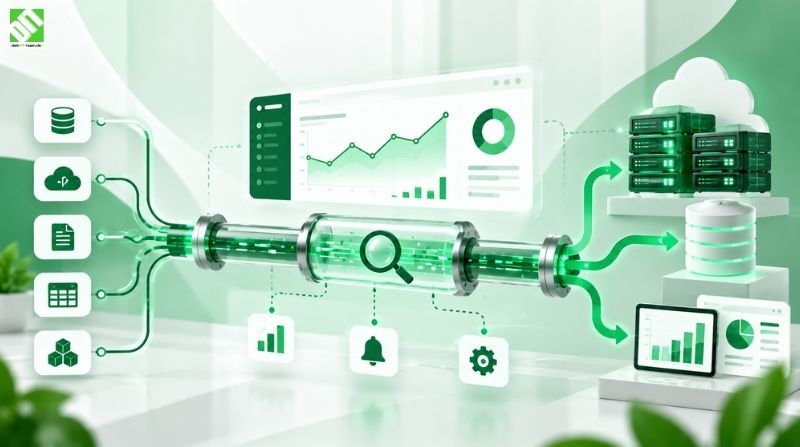
Integrating targets with business process optimization tools allows companies to establish direct, continuous data connections between separate office portals. Instead of an employee manually copying information from an intake form into a standalone database, smart background code intercepts, cleans, and routes the variables shifts instantly. This transition transforms delayed, labor-heavy tracking steps into smooth digital processing systems that operate 24/7 with near-zero error rates.
3. The Structural Limitations of Generic Off-the-Shelf Subscriptions
When managers decide to upgrade their company's outdated technology setup, they frequently look to generic, off-the-shelf software subscriptions (SaaS). While ready-made platforms offer fast setup timelines, growing brands quickly collide with unyielding feature limitations, rigid data configurations, and escalating per-user monthly licensing fees.
Relying strictly on generic plugins forces your internal departments to adapt their unique, competitive workflows to fit the rigid design rules of an external vendor. Over time, businesses end up paying for a scattered web of separate subscription tools that do not pass data back and forth smoothly. This creates a fragmented tech framework that replicates the exact data silos you were trying to fix. For a deeper look at how scaling organizations successfully avoid these subscription traps, explore How Scaling Your Company Requires Custom Digital Tools to protect your core data integrity and maintain long-term team output.
4. Automating Financial Reconciliation and Multi-System Invoicing
One of the largest, least noticed areas of budget waste in expanding firms is financial administration. When billing components are not tied into your core client systems, accounting departments waste valuable work hours generating invoices manually, sending payment templates, and cross-checking bank sheets to clear open records.
Shifting these steps to background logic paths removes the ongoing drain on your administrative budget. Programmatic loops can automatically monitor project management boards or client portal checkouts, generate clean digital invoices upon milestone completion, and clear the corresponding ledger balances instantly via automated secure APIs. This programmatic approach ensures that payment workflows execute flawlessly, removing accounting delays while keeping transaction data compliant and organized.
5. Connecting Customer Communication Pipelines with Internal Databases
As client transaction numbers scale, managing customer follow-ups and service routing through manual email inboxes introduces extreme friction. Forcing support staff to manually read, sort, tag, and assign incoming service requests leads to missed communications, drop-offs, and frustrated consumers.
Integrating intelligent text routing scripts fixes these communication leaks completely. Background application processes can securely scan inbound inquiries, parse intent keywords, match details with your centralized database records, and automatically hand the file to the exact manager assigned to that user segment. For routine administrative changes or account adjustments, the backend can resolve the problem instantly, creating an efficient operational footprint that handles heavier message traffic without requiring additional personnel.
6. Investing in Custom Automation Software Services to Build Technology Equity
Building private corporate workflows completely removes your brand from vendor subscription traps. Transitioning to dedicated custom automation software services allows an enterprise to build a secure, tailor-made technical framework designed around its exact operational logic.
This custom approach creates major competitive and financial benefits:
Full Data Architecture Sovereignty: Your enterprise owns its codebase entirely, eliminating unexpected price hikes, vendor feature removals, or forced software version changes.
Unified API Frameworks: Custom connections interface directly with your critical legacy databases, pulling hidden metrics forward into central dashboard visualizers.
Corporate Asset Value: Shifting your IT spending from ongoing subscription expenses into a private, proprietary software framework transforms standard technology overhead into long-term technology equity.
7. Embracing Business Automation as a Foundation for Sustainable Growth
Ultimately, implementing modern business automation frameworks does not mean removing the vital human element from your company. Instead, it redefines how your valuable human talent is used across daily operations.
When background system components handle data transfers, invoice generation, and status logging automatically, your skilled employees are freed from manual administrative chores. This allows your team to refocus their energy on high-value corporate priorities: strengthening client relationships, refining product quality, and executing strategic business development. Streamlining your backend processes allows your expanding business to reduce daily operating costs, protect data security, and build a highly responsive technology foundation ready for profitable, long-term scaling.
Modernizing Operations to Protect the Bottom Line
The long-term success of an expanding company relies entirely on its operational resilience. Continuing to tolerate manual administrative delays, disconnected local spreadsheets, and manual double-entry creates structural vulnerabilities that lower your market competitiveness and depress business valuation. When systems fail to share variables smoothly, every department functions in isolation, forcing leadership to make strategic choices based on slow, manual compilations rather than real-time metrics.
Embracing tailored technical transformation removes these operational speed limits permanently. Transitioning your administrative infrastructure to secure, interconnected background applications eliminates hidden data friction, secures your proprietary records, and keeps your internal processes lean. By choosing to build tailored, owned workflow components rather than subscribing to brittle third-party workarounds, you give your organization full control over its technology strategy. This proactive modernization transforms everyday IT overhead into a powerful growth engine that maximizes team output, reduces resource waste, and positions your business for sustainable, high-margin commercial expansion.
Conclusion
Managing a fast-growing business with manual processes and disconnected tools is an expensive strategy that harms your long-term profit margins. Expanding your headcount to handle basic administrative tasks creates an artificial bottleneck that increases error rates, delays communication, and takes your senior employees away from creative growth tasks. True operational durability requires a deliberate shift toward connected, automated system layouts.
By choosing to build custom digital solutions, you remove expensive administrative bottlenecks and create a unified, secure system layout that scales alongside your client base. This long-term approach transforms technology spending into a private corporate asset, shields your team from rising SaaS software costs, and ensures your background infrastructure runs perfectly. Partnering with an engineering provider to integrate custom code automation removes resource waste, protects your margins, and allows your team to focus fully on strategic revenue generation.
Frequently Asked Questions
How does reducing operational overhead with software impact overall data security?
Automating data pathways removes the need for manual file downloads, emails, and local storage, which significantly reduces exposure to data leaks. Custom software channels embed strict role-based access tokens and automated logging protocols, keeping your database processes compliant with enterprise security standards.
Will custom business process optimization tools work alongside our older legacy software setups?
Yes. Modern software integration strategies use secure, modular APIs to extract and move data seamlessly from older systems without disrupting core stability or forcing an expensive, total software replacement.
How do we determine which internal workflows are best suited for custom business automation?
The ideal targets for automation are high-volume, repetitive tasks that follow clear, predictable rules. Processes like client intake data entry, invoice cross-checking, multi-channel supply tracking, and recurring staff notifications offer the highest return on investment.
Recent Posts

September 23, 2026

September 29, 2026