Why API-First Development Is Essential for Digital Transformation
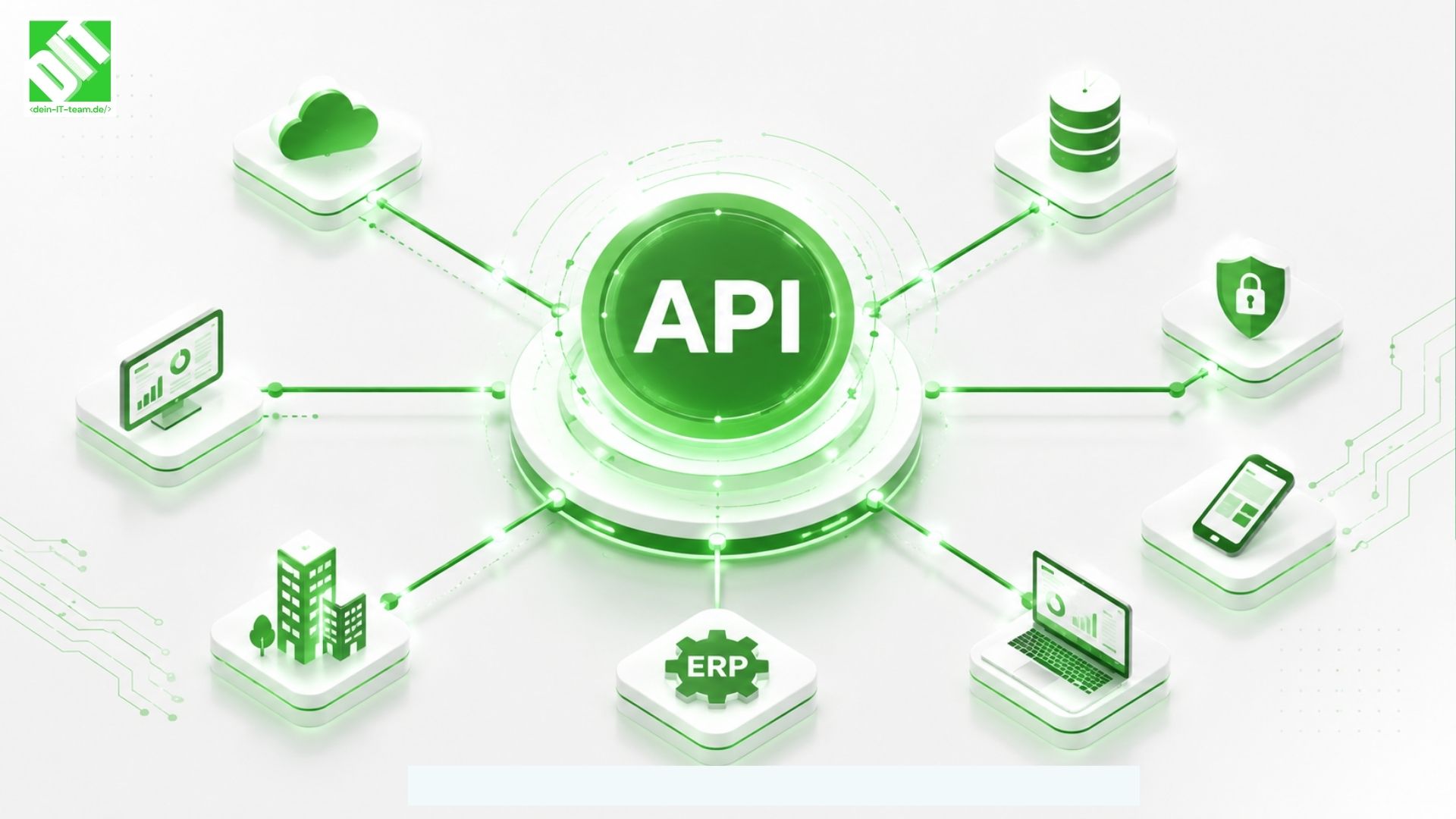
Learn how API-first development supports digital transformation through improved integration, scalability, faster development, and business agility.
Digital transformation has become a priority for businesses looking to improve efficiency, enhance customer experiences, and remain competitive in rapidly evolving markets. However, successful transformation requires more than adopting new technologies. Organizations need systems that can communicate seamlessly, scale efficiently, and adapt to future business requirements.
This is where API-first software development plays a crucial role. Rather than treating APIs as a secondary feature, the API-first approach places them at the center of the development process. By designing APIs before building applications, businesses create a strong foundation for integration, innovation, and long-term scalability.
Key Takeaways
API-first development improves system connectivity and flexibility.
Businesses can accelerate digital transformation initiatives.
APIs simplify integration between applications and platforms.
Development teams can work more efficiently and deliver faster.
API-first architectures support future growth and innovation.
Understanding API-First Development
API-first development is a software design approach where APIs are planned and created before application development begins. Instead of building a system and later determining how it will connect with other platforms, developers first define how data and services will be shared across applications.
This methodology creates consistency across projects and ensures that future integrations are easier to implement. As businesses continue adopting cloud platforms, mobile applications, customer portals, and automation tools, API-first development provides the connectivity required to support these digital ecosystems.
Why Traditional Development Models Fall Short
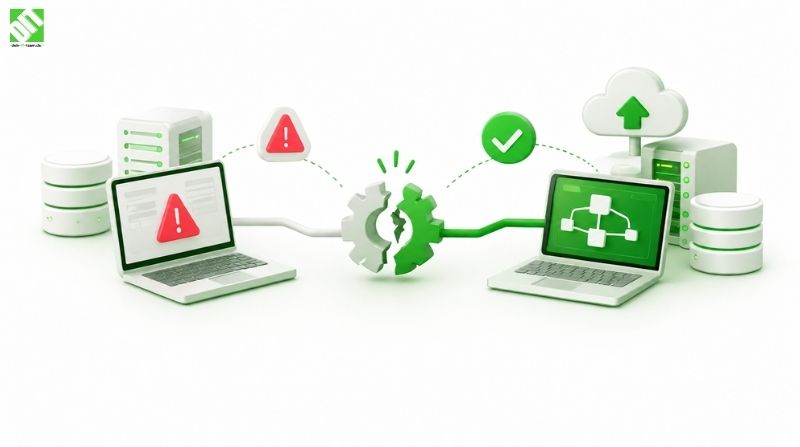
Many organizations still operate systems that were built without integration in mind. As a result, adding new technologies often becomes a complex and expensive process. Teams may struggle with disconnected applications, duplicated data, and inefficient workflows that slow business operations.
These limitations create obstacles for digital transformation because businesses cannot fully leverage their technology investments. API-first development addresses these challenges by establishing a standardized framework for communication between systems from the beginning.
Accelerating Digital Transformation Initiatives
Digital transformation projects often involve multiple technologies working together. Businesses may need to connect customer relationship management platforms, enterprise resource planning systems, cloud applications, mobile solutions, and third-party services.
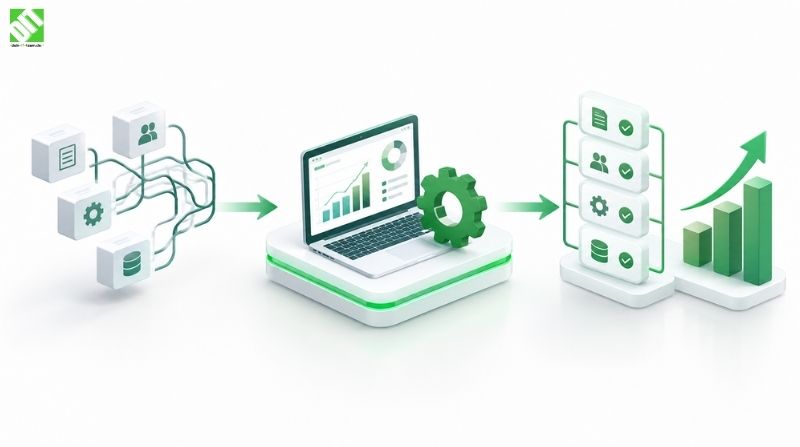
An API-first approach simplifies this process by creating a structured way for applications to exchange information. Rather than building custom connections every time a new system is introduced, organizations can rely on well-designed APIs that support seamless communication across the entire technology environment.
This reduces implementation complexity and helps transformation projects move forward more efficiently.
Improving System Integration
Modern organizations rely on a wide range of software solutions to support daily operations. When these systems cannot communicate effectively, information becomes fragmented and operational efficiency suffers.
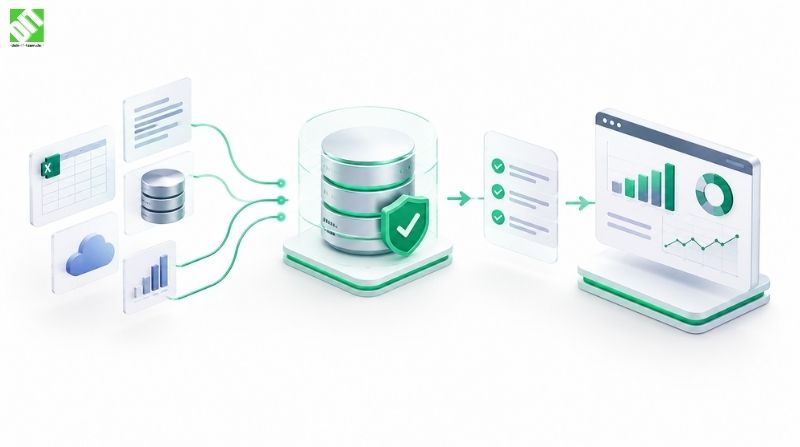
Effective cloud integration strategies often depend on robust APIs that enable secure and reliable data exchange between platforms. By creating a connected technology ecosystem, businesses can eliminate information silos and ensure that employees have access to accurate, up-to-date data whenever they need it.
Improved integration also enhances visibility across departments, making it easier to manage processes and make informed business decisions.
Supporting Faster Development Cycles
Speed is increasingly important in today's business environment. Organizations need to launch new products, services, and features quickly to meet changing customer expectations.
API-first development enables multiple teams to work simultaneously. While backend developers build core functionality, frontend teams can begin developing user interfaces based on predefined API specifications. This parallel workflow reduces bottlenecks and allows projects to progress more efficiently.
As a result, businesses can shorten development timelines and bring new solutions to market faster.
Enhancing Scalability
Technology investments should support long-term business growth. As organizations expand, their software infrastructure must be able to accommodate increasing workloads, new applications, and changing customer demands.
API-first architectures make scalability significantly easier because new services can be added without disrupting existing systems. Applications built around APIs are more flexible and can evolve alongside business requirements.
This adaptability helps organizations avoid costly redevelopment projects while ensuring their technology remains capable of supporting future growth.
Creating Better Customer Experiences
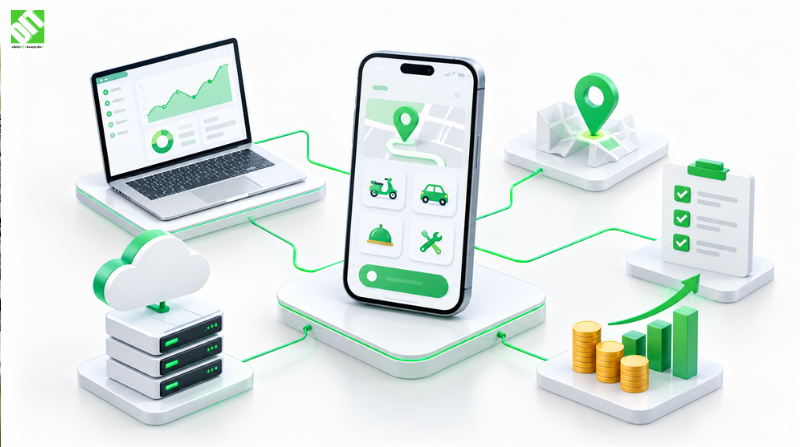
Customers expect consistent experiences across websites, mobile applications, support portals, and digital services. Delivering this level of consistency requires systems that can share information efficiently and reliably.
When businesses build connected digital environments, they can provide personalized interactions and seamless user journeys across multiple channels. This improves satisfaction, increases engagement, and strengthens customer relationships.
Organizations that prioritize connected experiences are often better positioned to meet evolving customer expectations and maintain a competitive advantage.
Encouraging Innovation
Innovation requires flexibility. Businesses must be able to adopt emerging technologies without completely rebuilding their existing infrastructure.
API-first development supports innovation by making it easier to connect new tools, services, and platforms to existing systems. Whether implementing artificial intelligence, automation technologies, advanced analytics, or new customer-facing applications, APIs provide the flexibility needed to integrate these capabilities efficiently.
This allows organizations to experiment with new ideas while minimizing risk and development complexity.
The Connection Between APIs and Real-Time Data
Modern business decisions depend on accurate information. Organizations need data to move quickly between systems so that teams can respond effectively to customer needs and operational changes.
Businesses focused on real-time data integration for business growth often rely on API-first architectures to support continuous information exchange. APIs enable applications to communicate instantly, helping organizations maintain data accuracy and improve responsiveness across departments.
As digital transformation initiatives expand, real-time connectivity becomes increasingly valuable for maintaining efficiency and delivering better business outcomes.
Future-Proofing Technology Investments
Technology continues to evolve, and businesses need solutions that can adapt to future requirements. Systems built without flexibility often become difficult to maintain and expensive to upgrade.
A strong custom software architecture designed around APIs provides a future-ready foundation that supports ongoing innovation and growth. New technologies can be integrated more easily, existing applications can be enhanced without major disruptions, and businesses can continue evolving their digital capabilities over time.
This approach helps maximize the value of technology investments while reducing long-term risk.
Conclusion
Digital transformation requires more than implementing new tools and platforms. Businesses need systems that can connect, scale, and evolve as their requirements change.
By adopting API-first software development, organizations can improve integration, accelerate development, support innovation, and build more resilient technology ecosystems. Combined with effective cloud integration strategies and a scalable custom software architecture, API-first development provides the foundation needed to succeed in an increasingly connected digital world.
FAQs
What is API-first development?
API-first development is a software design approach where APIs are planned and created before application development begins, ensuring consistent communication between systems and applications.
How does API-first development support digital transformation?
It improves integration, increases scalability, accelerates development, and helps businesses build connected digital ecosystems.
Why is API-first development important for modern businesses?
It allows organizations to adapt more easily to changing technology requirements while supporting innovation, efficiency, and long-term growth.