Why CRM Data Synchronization is Critical for Seamless Customer Experience and Business Growth

Learn why CRM data synchronization is essential for seamless customer experience, efficiency, and scalable business growth.
In todays data-driven world, businesses rely heavily on customer information to make decisions, personalize interactions, and drive growth. However, when customer data is scattered across multiple systems, it leads to inconsistencies, delays, and missed opportunities.
This is where CRM data synchronization becomes essential. By ensuring that all systems share accurate and real-time customer data, businesses can deliver a seamless experience. Leveraging solutions like robotic process automation services helps automate data flow across platforms, reducing manual effort and errors.
In this article, well explore why CRM data synchronization is critical and how it impacts customer experience and business growth.
Key Takeaways
CRM data synchronization ensures consistent and accurate customer data
It improves customer experience through real-time insights
Reduces manual errors and operational inefficiencies
Enhances collaboration across teams
Supports better decision-making with unified data
Drives long-term business growth
What is CRM Data Synchronization?
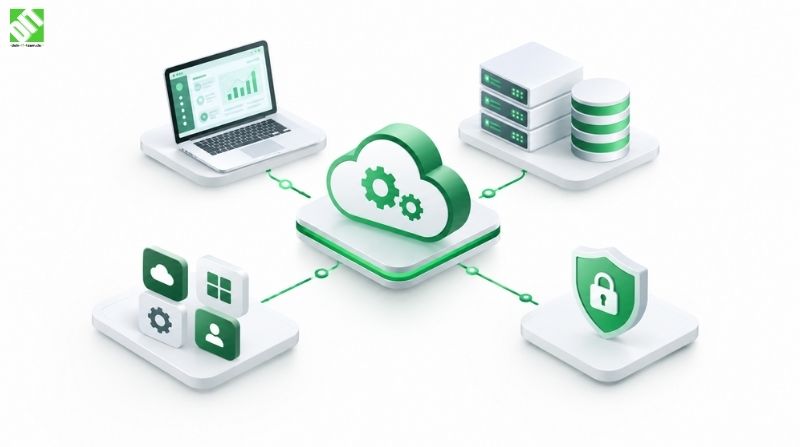
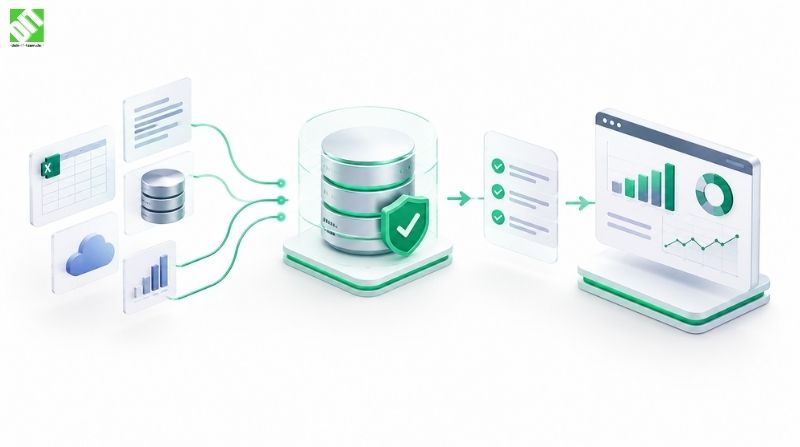
CRM data synchronization is the process of keeping customer data consistent across multiple systems such as CRM platforms, marketing tools, sales software, and support systems.
Instead of storing data in isolated silos, synchronization ensures that updates made in one system are automatically reflected in others. This creates a single source of truth for all teams.
The Problem with Disconnected Data
When systems are not synchronized, businesses face several challenges. Customer information may be outdated, duplicated, or inconsistent across platforms. Sales teams might work with incorrect data, while support teams lack full visibility into customer interactions.
These gaps lead to poor decision-making and a fragmented customer experience. Over time, it can impact customer trust and business performance.
How CRM Data Synchronization Improves Customer Experience
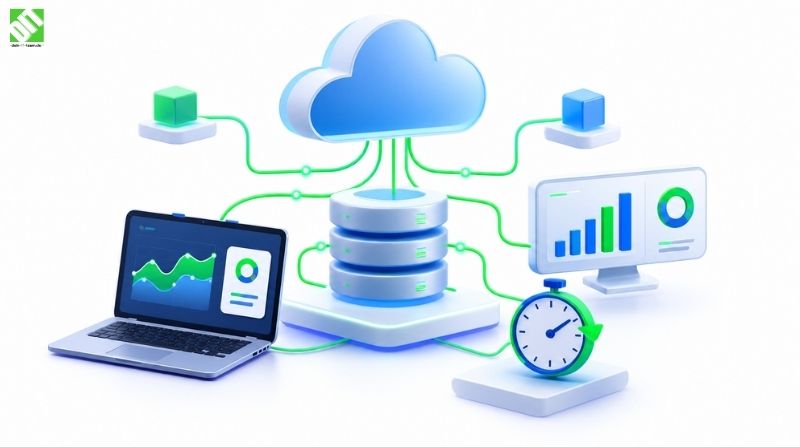
A seamless customer experience depends on accurate and real-time data. When all systems are synchronized, teams can access complete customer information instantly.
This allows businesses to personalize interactions, respond faster to queries, and provide consistent communication across channels. Customers no longer need to repeat information, which improves satisfaction and builds trust.
Enhancing Operational Efficiency
Manual data entry and updates are not only time-consuming but also prone to errors. CRM data synchronization eliminates these issues by automating the process.
Using business process automation services, businesses can streamline workflows, reduce repetitive tasks, and ensure data accuracy across systems. This improves overall efficiency and allows teams to focus on more strategic activities.
Better Decision-Making with Unified Data
When data is synchronized, businesses gain access to accurate and comprehensive insights. Decision-makers can rely on real-time information to identify trends, forecast demand, and optimize strategies.
Unified data also enables better reporting and analytics, helping organizations make informed decisions that drive growth.
Scalability and Business Growth
As businesses grow, the number of tools and systems they use also increases. Without proper synchronization, managing data becomes more complex.
Implementing custom software development solutions allows businesses to create tailored systems that integrate seamlessly and scale with their operations. This ensures that data remains consistent even as the organization expands.
Reducing Errors and Improving Data Accuracy
Data inconsistencies can lead to costly mistakes. Duplicate records, missing information, and outdated data can affect both operations and customer relationships.
CRM data synchronization minimizes these risks by ensuring that all systems are updated automatically. This improves data quality and reduces the chances of human error.
Solution / Recommendation
To fully benefit from CRM data synchronization, businesses need a structured approach that combines the right tools and strategies.
Automation plays a key role in this process. By integrating intelligent automation solutions, businesses can ensure real-time data flow, eliminate manual tasks, and maintain data consistency across platforms.
Investing in the right technologies and expert support can significantly improve efficiency, accuracy, and scalability.
Insight / Clarification
Many businesses assume that having a CRM system alone is enough. However, the real value comes from how well that system integrates with other tools.
CRM data synchronization is not just a technical processit is a strategic requirement. It ensures that every team works with the same data, leading to better collaboration and improved customer outcomes.
Conclusion
CRM data synchronization has become a critical component for businesses aiming to deliver exceptional customer experiences and achieve sustainable growth. In an environment where customer expectations are constantly evolving, having accurate and real-time data is no longer optionalit is essential.
When customer data is synchronized across all systems, businesses can operate more efficiently, respond faster, and make better decisions. It eliminates the challenges caused by data silos and ensures that every interaction is informed and consistent.
Beyond improving day-to-day operations, CRM data synchronization also supports long-term scalability. As businesses expand, having a unified data system allows them to integrate new tools, manage larger datasets, and maintain operational efficiency without disruptions.
Investing in automation and custom solutions further enhances these benefits. It not only reduces manual effort but also ensures that systems work seamlessly together, creating a strong digital foundation for growth.
Ultimately, businesses that prioritize CRM data synchronization are better positioned to build stronger customer relationships, improve internal processes, and stay competitive in a rapidly changing market. It is not just about managing datait is about using data effectively to drive meaningful business outcomes.
Talk to Our Business Manager or Get a Free Estimate Now!
FAQs
What is CRM data synchronization?
It is the process of keeping customer data consistent across multiple systems in real time.
Why is CRM data synchronization important?
It ensures accurate data, improves customer experience, and supports better decision-making.
How can businesses implement CRM data synchronization?
By using automation tools, integrating systems, and adopting custom solutions tailored to their needs.Type or paste your content here!
Recent Posts