

Cloud Integration vs Data Integration: Key Differences Explained
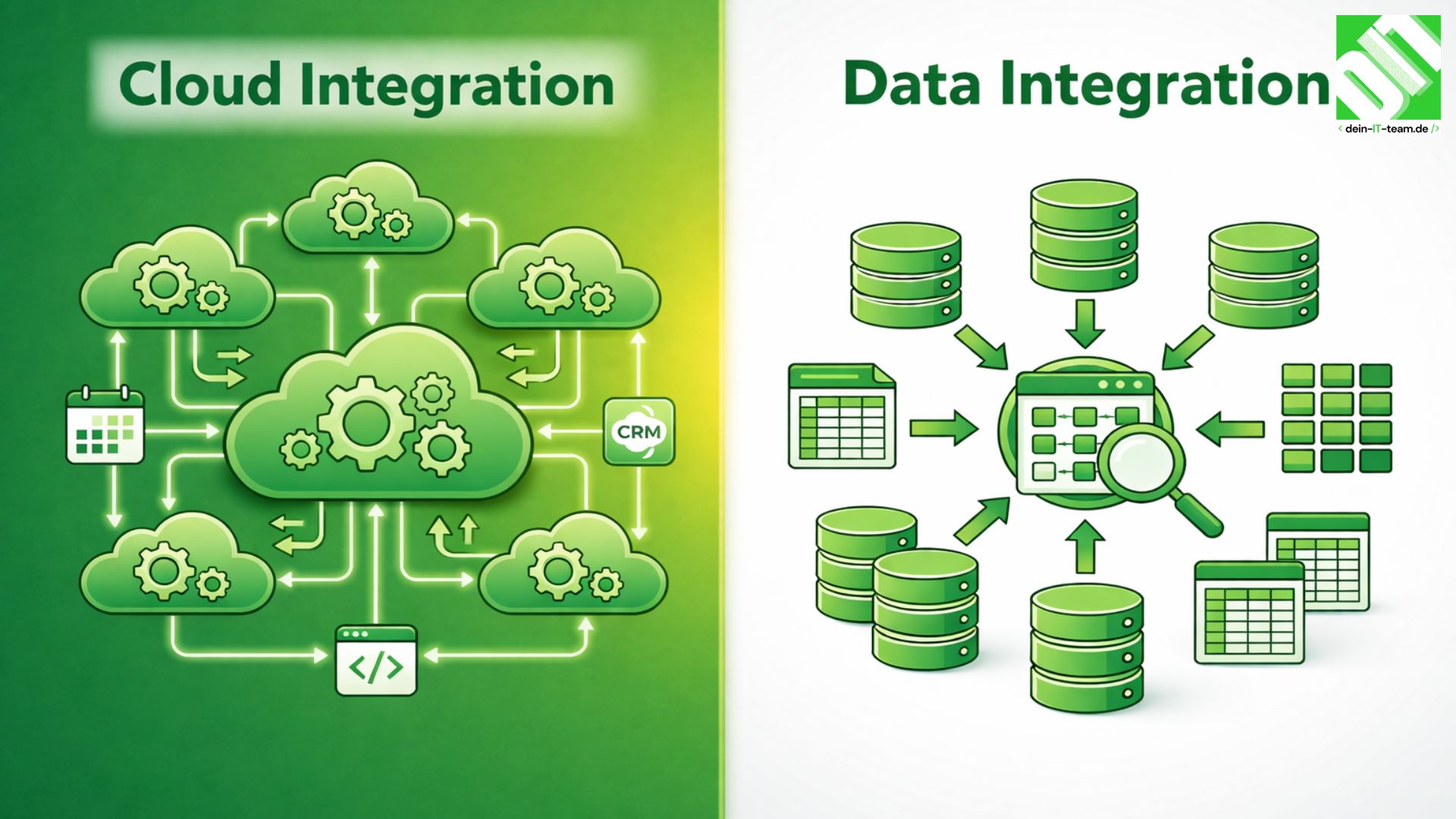
Learn the difference between cloud integration and data integration and how to choose the right approach for your business.
Introduction
As businesses rely more on multiple tools, platforms, and data sources, integration has become a necessity rather than an option. However, many decision-makers still struggle to understand the difference between cloud integration vs data integration.
At a basic level, both help systems and data work togetherbut they serve different purposes. One focuses on connecting applications, while the other focuses on organizing and managing data.
If your business is planning to scale or adopt digital solutions, understanding this difference is critical. Many organizations today rely on cloud integration services to ensure their systems communicate smoothly without manual effort.
In this article, well simplify both concepts, explain their differences, and help you decide what your business actually needs.
Key Takeaways
Cloud integration connects applications and systems
Data integration combines and organizes data
Both solve different problems but work best together
Choosing the right approach depends on your business goals
What is Cloud Integration?
Cloud integration is the process of connecting different cloud-based applications, tools, and systems so they can work together as one unified environment. Instead of operating in isolation, systems can exchange data automatically and in real time.
For example, a business might connect its CRM, marketing tools, and payment systems to ensure data flows seamlessly across platforms. This reduces manual work and improves efficiency.
Without cloud integration, teams often deal with disconnected tools, duplicate data, and slow processes. Integration eliminates these issues by enabling smooth communication between systems.
What is Data Integration?
Data integration, on the other hand, focuses on collecting data from different sources and transforming it into a consistent and usable format. The goal is not just connection but clarity.
Businesses often pull data from databases, applications, and external platforms, then process it into a central system like a data warehouse. This allows teams to analyze information, generate reports, and make informed decisions.
While cloud integration ensures systems talk to each other, data integration ensures that what they say actually makes sense.
Cloud Integration vs Data Integration: Core Differences
The main difference lies in their purpose. Cloud integration is about connecting systems, while data integration is about managing and organizing data.
Cloud integration focuses on real-time communication between applications. It ensures that when data is updated in one system, it reflects instantly in another. Data integration, however, works more on structuring and preparing data for analysis, whether in real-time or batches.
Another key difference is complexity. Cloud integration deals with APIs and workflows, while data integration involves transformation, cleansing, and storage processes.
How They Work Together
In modern business environments, cloud integration and data integration are not separate choicesthey complement each other.
Cloud integration ensures that systems are connected and data flows smoothly. Data integration ensures that this data is accurate, consistent, and ready for analysis. Together, they create a strong and scalable digital ecosystem.
Many companies adopt cloud integration solutions to connect their systems and then apply data integration techniques to turn that data into meaningful insights.
Choosing the Right Approach for Your Business
The right approach depends on your specific needs.
If your business uses multiple applications and struggles with disconnected systems, cloud integration should be your priority. It helps automate workflows and improve operational efficiency.
If your focus is on analytics, reporting, and decision-making, data integration becomes more important. It ensures that your data is reliable and structured properly.
In most cases, growing businesses need both. A balanced strategy ensures not only connectivity but also clarity.
Working with experts who offer cloud integration consulting services can help you design a solution that fits your current needs while supporting future growth.
Common Misconceptions
A common misconception is that cloud integration and data integration are the same. In reality, they solve different problems and are designed for different purposes.
Another misunderstanding is that businesses only need one of them. As systems grow and data increases, both become essential for smooth operations.
There is also a belief that integration is only for large enterprises. However, even small and mid-sized businesses benefit significantly from integrating their tools and data early on.
If youre exploring the basics further, understanding cloud integration examples and real-world use cases can help you see how these concepts apply in real business scenarios.
Conclusion
Understanding cloud integration vs data integration is essential for building efficient and scalable business systems.Cloud integration ensures your tools and applications work together seamlessly, while data integration ensures that the information flowing through them is accurate and useful. When combined, they create a strong foundation for automation, better decision-making, and long-term growth.
Investing in the right strategy and leveraging cloud integration services can help your business stay competitive and ready for future challenges.
FAQs
1. What is the difference between cloud integration and data integration?
Cloud integration connects systems, while data integration focuses on organizing and managing data.
2. Do businesses need both cloud and data integration?
Yes, most modern businesses benefit from using both to ensure smooth operations and reliable insights.
3. Which one should I implement first?
Start with cloud integration if your systems are disconnected. Focus on data integration if your main goal is analytics and reporting.
Recent Posts

September 16, 2026


September 14, 2026