API Integration vs Cloud Integration: What Should You Choose?

Learn the difference between API integration and cloud integration and choose the right solution for your business.
As businesses rely on multiple tools, platforms, and systems, integration has become essential for smooth operations. However, many decision-makers struggle to understand the difference between API integration vs cloud integration and which one is the right choice for their business.
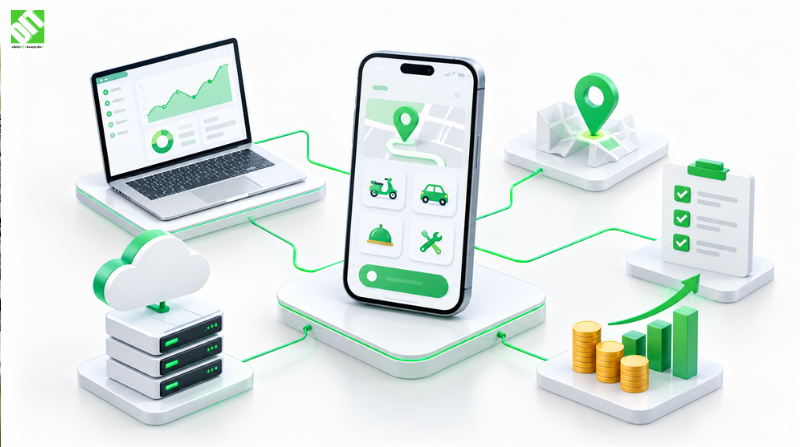
Both approaches help systems communicate, but they solve different problems. While API integration focuses on connecting specific applications, cloud integration creates a broader ecosystem where multiple systems work together seamlessly.
Today, many organizations rely on api development services to ensure fast, secure, and scalable system communication.
In this blog, well break down both concepts, highlight key differences, and help you choose the right approach based on your business needs.
Key Takeaways
API integration connects specific systems using APIs
Cloud integration connects multiple cloud-based platforms
Both serve different purposes but can work together
The right choice depends on your business goals and system complexity
What is API Integration?
API integration is the process of connecting two or more applications using APIs (Application Programming Interfaces). It allows systems to communicate and exchange data in real time.
For example, when your CRM system sends customer data to a payment gateway or marketing tool, API integration is what makes that connection possible.
It is commonly used for:
Connecting specific applications
Enabling real-time data exchange
Automating workflows between systems
API integration is ideal when you need fast, direct communication between a limited number of applications.
What is Cloud Integration?
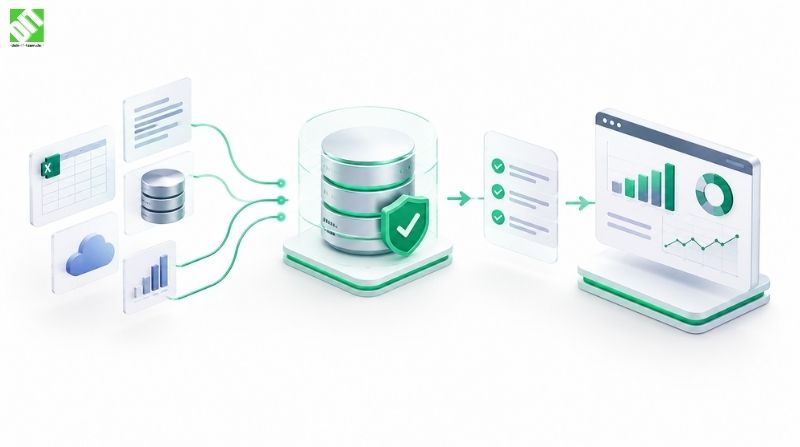
Cloud integration refers to connecting multiple cloud-based systems, applications, and data sources into a unified environment. It ensures that all platforms work together smoothly without manual intervention.
For example, integrating CRM, ERP, and analytics tools into one ecosystem is a use case of cloud integration.
Businesses often use cloud integration services to manage complex environments and ensure seamless data flow across platforms.
Cloud integration is best suited for:
Managing multiple cloud applications
Creating a unified system environment
Ensuring consistent data across platforms
API Integration vs Cloud Integration: Key Differences
Scope
API integration focuses on connecting specific systems, while cloud integration connects entire ecosystems of applications and services.
Complexity
API integration is generally simpler and used for targeted connections. Cloud integration is more complex as it involves multiple systems and workflows.
Use Case
API integration is ideal for point-to-point communication. Cloud integration is better for managing large-scale systems and data environments.
Scalability
Cloud integration offers better scalability for growing businesses, while API integration is suitable for smaller or specific needs.
How They Work Together
API integration and cloud integration are not competitorsthey complement each other.
API integration acts as the building block, enabling communication between individual systems. Cloud integration uses these connections to create a larger, unified ecosystem.
Many businesses combine both approaches to ensure flexibility and scalability. For example, APIs connect individual tools, while cloud integration ensures everything works together efficiently.
When Should You Choose API Integration?
API integration is the right choice if:
You need to connect a few specific applications
Real-time data exchange is a priority
You want a quick and cost-effective solution
It is especially useful for startups or businesses with simpler system architectures.
When Should You Choose Cloud Integration?
Cloud integration is ideal if:
You use multiple cloud platforms
You need centralized data management
Your business is scaling rapidly
Working with experts who provide cloud integration consulting services can help you design a solution that supports long-term growth.
Common Misconceptions
API Integration and Cloud Integration Are the Same
Many people assume both are identical, but they serve different purposes. API integration is more focused, while cloud integration is broader.
Businesses Only Need One
In reality, most modern businesses benefit from using both. API integration handles specific connections, while cloud integration ensures overall system efficiency.
Insight for Better Decision-Making
Choosing between API integration and cloud integration depends on your current infrastructure and future goals.
If your systems are simple, API integration may be enough. But as your business grows and your systems become more complex, cloud integration becomes essential.
If you want to explore how integration works in real scenarios, understanding What is Cloud Integration in 2026? Examples to Know? can help you see practical applications and make a better decision.
Conclusion
Understanding API integration vs cloud integration is essential for building efficient and scalable systems. While API integration helps connect individual applications, cloud integration ensures that your entire ecosystem works together seamlessly.
The right choice depends on your business size, complexity, and growth plans. In many cases, combining both approaches provides the best results, allowing businesses to stay flexible while maintaining efficiency.
By investing in the right integration strategy and leveraging api development services, businesses can improve performance, reduce manual work, and prepare for future growth.
Talk to Our Business Manager or Get a Free Estimate Now!
FAQs
1. What is the difference between API integration and cloud integration?
API integration connects specific applications, while cloud integration connects multiple systems into a unified environment.
2. Can businesses use both API and cloud integration?
Yes, most businesses use both to ensure efficient system communication and scalability.
3. Which one is better for small businesses?
API integration is often better for small businesses, while cloud integration becomes important as systems grow.e your content here!
Recent Posts
October 14, 2026