

AI in Healthcare: Meaning, Scope, and Real World Impact
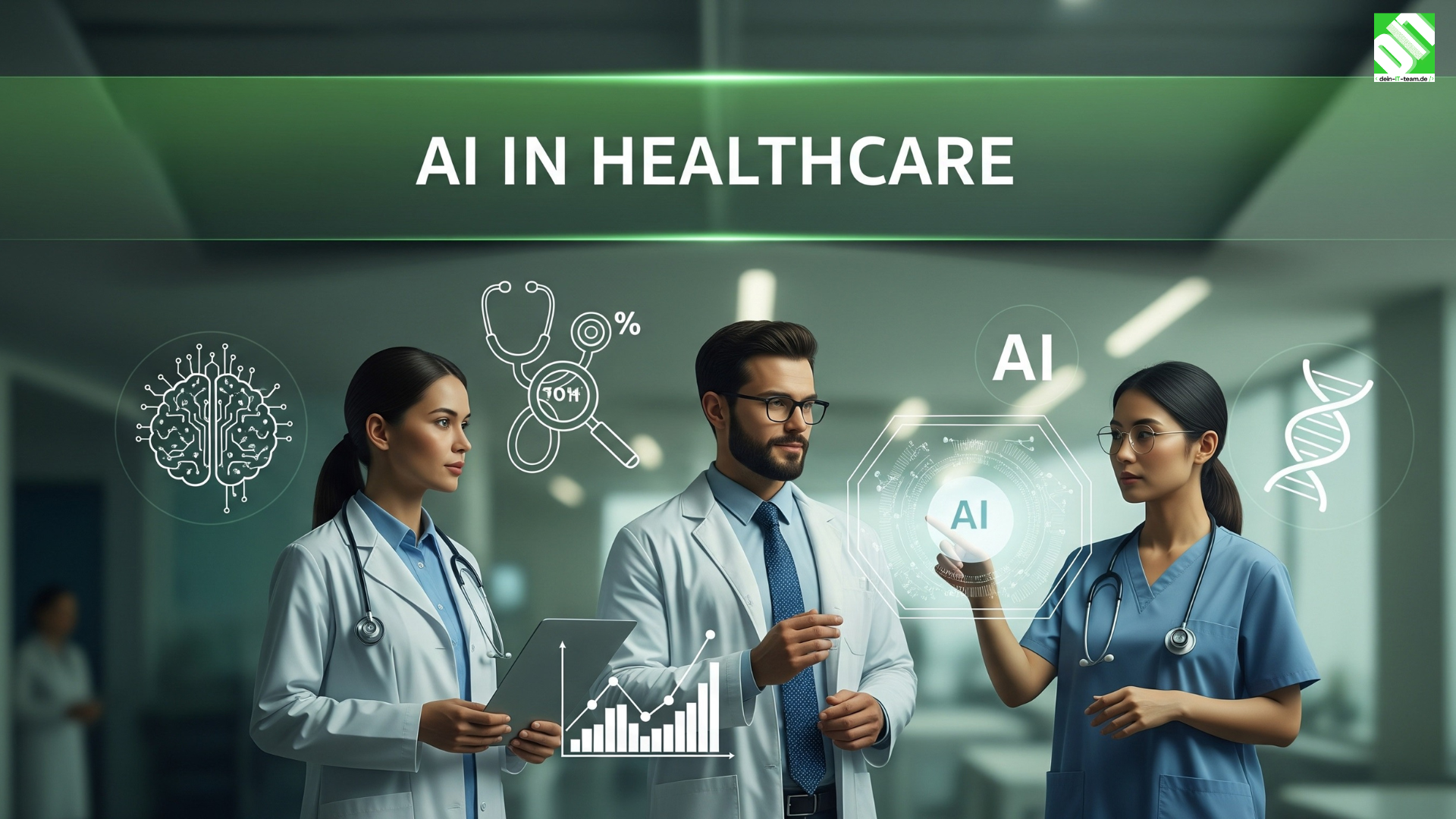
Learn what AI in healthcare is, explore its scope, key applications, benefits, and real impact its having on patients and providers today.
AI in healthcare is transforming the provision of medical treatments. Hospitals, clinics, and research canters generate vast amounts of data daily. Managing this manually is slow and prone to errors. AI helps professionals analyse this data quickly and make better decisions.
When people ask what medical AI is, they want to understand how machines assist in diagnosis, treatment, and patient management. Medical AI uses advanced learning systems and predictive models to support doctors, nurses, and administrators. Organizations increasingly use custom AI development services to design tools that fit their workflows. This helps improve accuracy, reduce operational stress, and enhance overall patient care quality.
Key Takeaways
AI improves diagnosis and decision-making
Reduces manual effort and saves time for healthcare teams
Supports personalized and proactive patient care
Enhances hospital efficiency and workflow management
Accelerates medical research and innovation
What is Medical AI and the Core Purpose
AI in healthcare refers to intelligent systems that process medical data and generate actionable insights. These systems learn from patient histories, laboratory results, imaging data, and clinical notes. Over time, they improve in predicting outcomes, identifying risk factors, and suggesting optimal treatment options. AI applies advanced algorithms and predictive models to identify patterns that might not be apparent to human clinicians, enhancing both speed and accuracy in medical decision making.
The core purpose of medical AI is to assist healthcare professionals rather than replace them. By handling repetitive tasks, analyzing large datasets, and highlighting critical trends, AI allows doctors to focus on complex decision making, patient engagement, and personalized care. This reduces human error, ensures consistent quality of care, and improves overall patient safety. Hospitals and clinics increasingly use artificial intelligence development solutions to scale AI capabilities across departments, integrate with electronic health records, and streamline workflows. These implementations not only enhance operational efficiency but also support evidence-based medicine, ultimately leading to better outcomes, faster diagnoses, and improved trust between patients and healthcare providers.
Scope of AI Across Healthcare Systems
The scope of AI in healthcare is wide and growing. It touches clinical care, hospital administration, research, and patient engagement. AI tools are used in hospitals, outpatient clinics, laboratories, and even home care.
Some key applications include:
Diagnosis and risk prediction: AI analyses symptoms and test results to detect diseases early
Workflow optimization: Automates scheduling, resource allocation, and patient record management
Population health management: Tracks trends across groups to prevent outbreaks and improve public health
Medical training: Simulation tools and predictive models enhance learning for healthcare professionals
AI helps organizations manage patient data efficiently, predict health risks, and improve both quality and accessibility of care.
Real World Impact on Patient Care and Operations
AI has transformed both patient care and hospital efficiency. Clinically, it enables earlier disease detection, personalized treatment planning, and continuous patient monitoring. Early interventions reduce complications and improve recovery.
Operationally, AI improves hospital workflow. Tasks like appointment scheduling, staff allocation, and supply management become automated. This leads to shorter waiting times and better use of staff and equipment. Patients experience smoother journeys and higher satisfaction.
Healthcare organizations adopting AI see measurable improvements in efficiency and outcomes. By integrating advanced AI technologies, they can focus more on quality care while reducing administrative burdens.
Technology Integration and Future Direction
Integrating AI with healthcare systems requires planning and infrastructure alignment. Electronic health records, diagnostic tools, and patient portals must work seamlessly with AI platforms. Many organizations turn to artificial intelligence a modern approach for scalable solutions.
The future of AI in healthcare focuses on predictive care, personalized treatments, and preventive medicine. Hospitals will be able to anticipate patient risks, reduce costs, and deliver faster and more accurate care. Patients will benefit from proactive health monitoring and customized treatment plans.
AI will continue to improve efficiency, enhance clinical decision making, and accelerate research. As adoption grows, organizations that invest in AI responsibly will set the standard for modern, patient-centered healthcare.
FAQs
Q.What is medical AI mainly used for?
Medical AI supports diagnosis, treatment planning, patient monitoring, and hospital management.
Q.Can AI replace doctors in healthcare?
No, AI assists clinicians but does not replace human expertise.
Q.How does AI benefit patients directly?
AI enables faster diagnosis, personalized care, early risk detection, and improved access to services.
Conclusion
AI in healthcare is redefining modern medicine. It strengthens clinical decisions, improves patient monitoring, and supports hospital efficiency. By adopting modern approach, organizations can integrate AI across operations and research effectively.
The technology allows healthcare systems to predict health risks, personalize treatments, and focus on preventive care. Patients experience faster care, better outcomes, and smoother interactions with healthcare providers. Clinicians benefit from reduced workload, enhanced accuracy, and stronger support for complex decisions.
Investing in AI responsibly today ensures a future where healthcare is smarter, safer, and more patient-focused. Organizations leveraging AI in healthcare effectively will lead innovation, improve patient satisfaction, and transform medical services.
Recent Posts


September 24, 2026

September 22, 2026

September 23, 2026