
Why is Multi-Cloud Data Integration Becoming Essential?
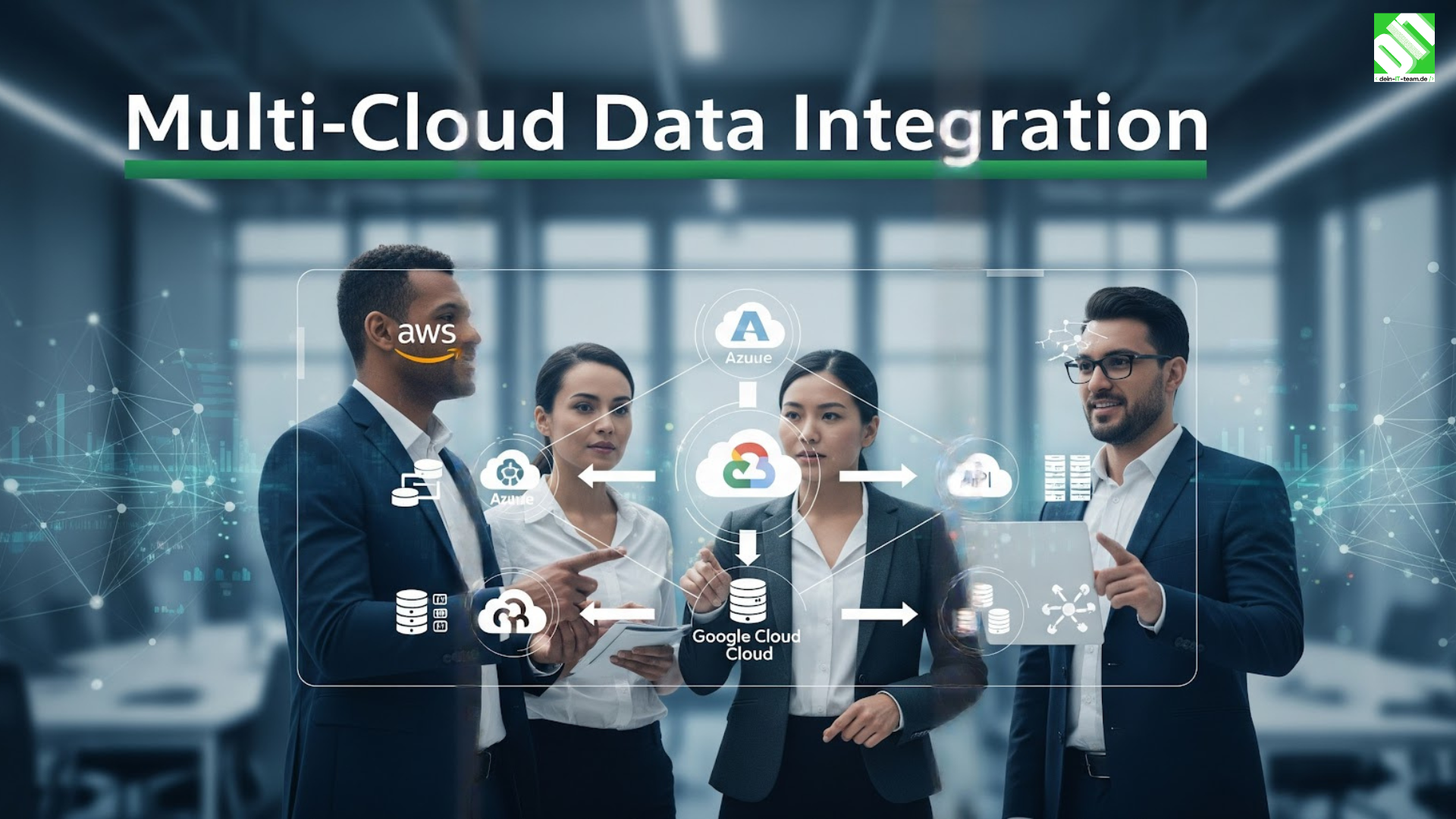
Why are businesses moving beyond a single cloud? Discover why multi-cloud data integration is becoming essential in todays data-driven world.
Multi-cloud data integration is becoming essential because businesses now depend on multiple cloud platforms to run daily operations. Different teams use different clouds for storage, analytics, applications, and security. When these systems are not connected, data remains scattered and difficult to use. This slows down decisions and increases operational risk.
To manage this complexity, organizations often rely on cloud integration consulting services to connect data across platforms in a structured and secure way. A strong integration approach ensures data flows smoothly, stays accurate, and supports business growth in a multi-cloud environment.
Key Takeaways
Businesses use multiple clouds, which creates data fragmentation
Integrated data improves speed, accuracy, and decision-making
Security and compliance are easier with centralized control
Automation reduces errors and operational effort
Integration supports scalability and long-term growth
Core Reasons Why Multi-Cloud Data Integration Is Becoming Essential
1. Businesses Use Multiple Cloud Platforms for Different Needs
Most businesses choose different cloud platforms for different purposes. One cloud may offer better performance for applications, another may provide advanced analytics tools, while another may be cost-effective for storage. This approach gives flexibility, but it also spreads data across many systems. When these platforms are not connected, data remains isolated and difficult to use.
Multi-cloud data integration connects these platforms so data can move freely and safely. This allows businesses to use the best features of each cloud without creating confusion or data gaps. Cloud integration turns multiple cloud systems into one connected ecosystem.
2. Data Silos Reduce Visibility and Create Confusion
When data stays inside individual cloud platforms, teams only see part of the information. Marketing may see one version of customer data, while finance sees another. Operations teams may work with outdated reports. These data silos create confusion and slow down collaboration.
Multi-cloud data integration removes these silos by synchronizing data across platforms. Everyone works with the same updated information. This improves transparency, reduces misunderstandings, and helps teams work together more effectively.
3. Business Decisions Require Real-Time Data Access
In todays fast-moving environment, delayed data can lead to missed opportunities. Without integration, data updates in one cloud do not reach other systems quickly. Reports become outdated, and decision-makers rely on old information.
Multi-cloud data integration enables real-time data sharing across platforms. Dashboards and analytics tools always reflect current data. This helps leaders make faster and more confident decisions based on accurate information.
4. Advanced Analytics and AI Depend on Connected Data
Analytics and AI tools need large volumes of clean and consistent data. Often, these tools run on cloud platforms that are different from core business systems. Without integration, analytics teams struggle to access data from multiple sources.
Multi-cloud data integration ensures that analytics platforms receive data from all relevant systems. This improves forecasting, performance analysis, and customer insights. Better data leads to better predictions and smarter strategies.
Talk to Our Business Manager or Get a Free Estimate Now!
5. Security and Compliance Become More Manageable
Each cloud platform has its own security rules and access controls. Managing security separately increases the risk of errors and data breaches. It also makes compliance reporting more difficult.
Multi-cloud data integration allows centralized security monitoring and governance. Organizations can control who accesses data, track usage, and meet regulatory requirements more easily. This reduces risk and strengthens data protection across all platforms.
6. Manual Data Movement Increases Errors and Costs
Without integration, teams often move data manually between cloud systems. This process is slow and prone to mistakes. Duplicate data, missing records, and incorrect updates become common problems.
Multi-cloud data integration automates data transfers and synchronization. Automation reduces errors, saves time, and lowers operational costs. Systems run more smoothly, and IT teams can focus on improving performance instead of fixing issues.
7. Business Growth Needs Scalable Data Systems
As businesses grow, data volume increases and new tools are added. Without integration, expanding systems becomes complex and risky. Each new cloud service creates another data silo.
Multi-cloud data integration supports scalability by connecting new systems easily. Businesses can add applications, expand into new regions, and adopt new technologies without disrupting existing workflows. Integration ensures technology supports growth instead of blocking it.
8. Business Continuity Depends on Data Consistency
Many organizations use multi-cloud strategies to improve reliability and disaster recovery. However, this only works when data stays synchronized across platforms. If data is not integrated, backups and recovery systems may be incomplete.
Multi-cloud data integration ensures consistent data across all environments. In case of outages, businesses can switch systems quickly without data loss. This protects operations and customer trust.
9. Customer Experience Requires a Complete Data View
Customer data often exists across marketing tools, sales systems, and support platforms hosted on different clouds. Without integration, teams cannot see the full customer journey.
Multi-cloud data integration connects customer data across platforms. This creates a complete and accurate customer profile. Businesses can offer personalized services, faster support, and consistent communication, which improves customer satisfaction and loyalty.
10. Complex Multi-Cloud Environments Need Expert Integration
Managing data across multiple cloud platforms requires advanced skills. Many organizations work with cloud integration companies to design secure and scalable data architectures. Expert guidance helps avoid failures and ensures systems perform reliably.
Professional integration support reduces risks and ensures long-term success in complex multi-cloud environments.
Conclusion
Multi-cloud data integration is becoming essential because businesses now depend on many cloud platforms to run daily operations. Without proper integration, data stays scattered, teams work with incomplete information, and decision-making becomes slow and risky. Integration helps businesses keep data connected, accurate, and available across all systems.
Talk to Our Business Manager or Get a Free Estimate Now!
With the right strategy, multi-cloud data integration reduces complexity, improves security, and supports real-time insights and future growth. It turns multiple cloud platforms into one connected environment, helping businesses operate smoothly, scale confidently, and compete effectively in a data-driven world.
Recent Posts

September 8, 2026


September 14, 2026