How Microsoft Technologies Support Enterprise Digital Transformation
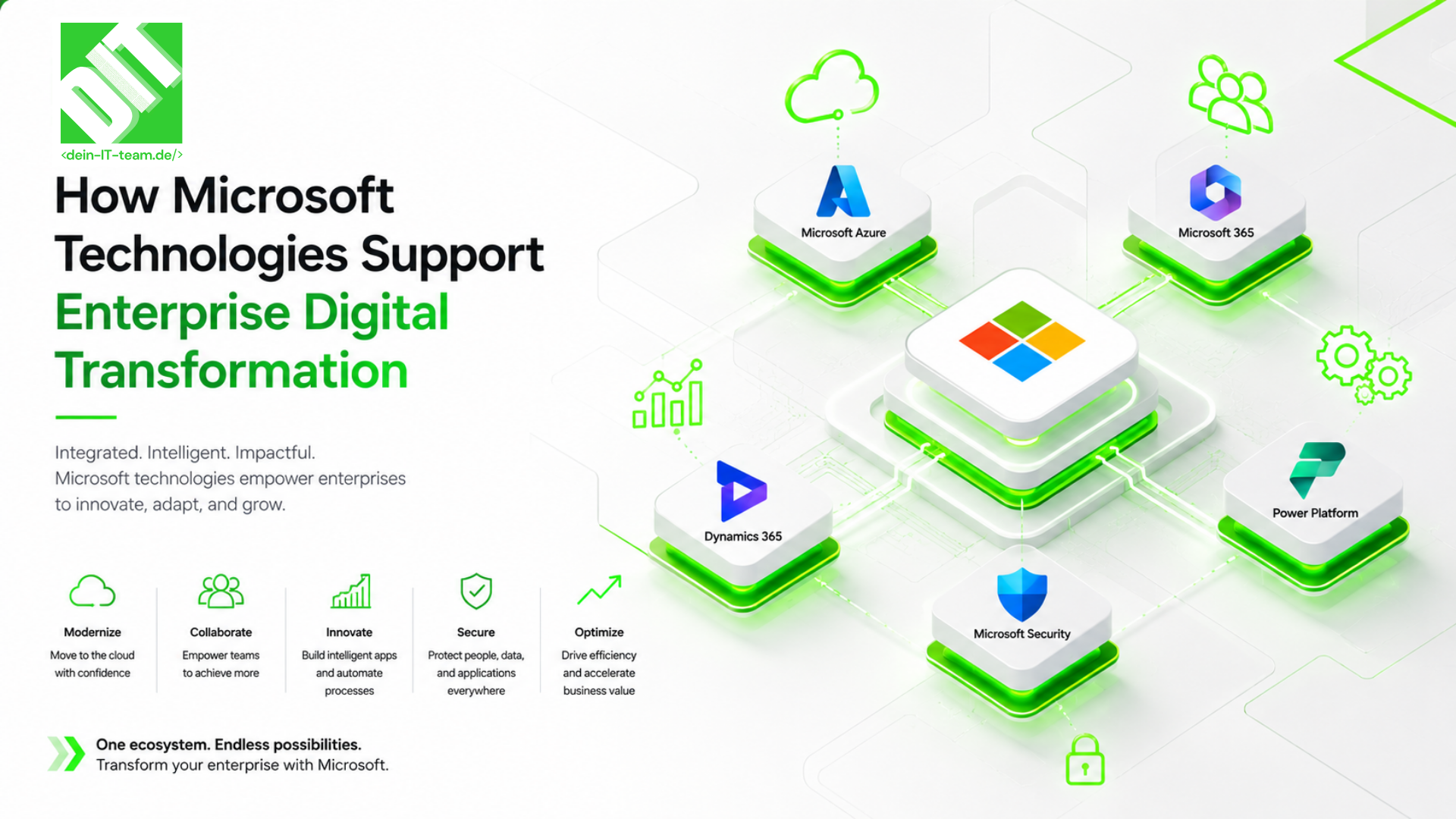
Discover how Microsoft technologies help enterprises drive digital transformation through cloud computing, AI, automation, and business applications.
Digital transformation is no longer a long-term goal it has become a business necessity. Organizations across industries are investing in modern technologies to improve efficiency, streamline operations, enhance customer experiences, and remain competitive in an increasingly digital marketplace.
Microsoft has established itself as one of the leading technology providers supporting enterprise digital transformation. Through its extensive ecosystem of cloud services, business applications, development platforms, productivity tools, and AI capabilities, Microsoft enables businesses to modernize processes and accelerate innovation.
Many organizations partner with experts in Microsoft application development to build customized solutions that align Microsoft technologies with their business objectives.
In this article, we'll explore how Microsoft technologies support enterprise digital transformation and why they continue to play a vital role in modern business strategies.
Key Takeaways
Microsoft offers a comprehensive ecosystem for digital transformation.
Cloud, AI, automation, and business applications improve efficiency.
Microsoft technologies support scalability and business agility.
Organizations can modernize legacy systems through Microsoft's platforms.
Data-driven decision-making becomes easier with integrated tools.
Microsoft solutions help businesses innovate while maintaining security and compliance.
What is Enterprise Digital Transformation?
Enterprise digital transformation refers to the process of using technology to fundamentally improve business operations, customer experiences, and organizational performance. Rather than simply adopting new software, digital transformation involves rethinking processes, workflows, and business models to take full advantage of modern technologies.
Key objectives often include:
Improving operational efficiency
Enhancing customer engagement
Automating repetitive processes
Increasing business agility
Supporting data-driven decision-making
Accelerating innovation
Microsoft technologies provide a strong foundation for achieving these goals.
Microsoft Azure: Powering Cloud Transformation
Cloud computing is at the center of most digital transformation initiatives. Microsoft Azure provides businesses with a scalable cloud platform that supports application development, infrastructure modernization, data analytics, artificial intelligence, and enterprise integration.
Organizations use Azure to:
Migrate legacy applications
Host business-critical systems
Build cloud-native applications
Improve scalability
Enhance disaster recovery capabilities
Businesses investing in azure application development services can leverage Azure's flexibility to build modern solutions that support long-term growth and innovation.
Microsoft 365: Improving Workplace Productivity
Digital transformation extends beyond technology infrastructure. It also involves improving how employees collaborate and work together.
Microsoft 365 provides organizations with tools such as:
Microsoft Teams
Outlook
SharePoint
OneDrive
Word, Excel, and PowerPoint
These solutions enable remote collaboration, secure document sharing, and streamlined communication across departments. As hybrid work models continue to evolve, Microsoft 365 plays a critical role in maintaining productivity and operational continuity.
Power Platform: Accelerating Business Automation
Many organizations struggle with manual processes that consume valuable time and resources.
Microsoft Power Platform helps businesses automate workflows and develop low-code applications using:
Power Apps
Power Automate
Power BI
Power Virtual Agents
These tools allow organizations to automate repetitive tasks, reduce operational bottlenecks, and improve efficiency without requiring extensive development resources.
Automation initiatives often become key drivers of successful digital transformation strategies.
Data Analytics and Business Intelligence
Modern businesses generate large volumes of data every day. However, data only becomes valuable when organizations can transform it into actionable insights.
Microsoft Power BI helps organizations:
Visualize business performance
Monitor key performance indicators
Generate interactive reports
Improve forecasting accuracy
Support data-driven decision-making
By consolidating information from multiple systems, Power BI provides leadership teams with greater visibility into operations and business outcomes.
Artificial Intelligence and Intelligent Automation
Artificial intelligence is becoming a major component of enterprise transformation initiatives.
Microsoft integrates AI capabilities across its ecosystem through services such as:
Azure AI
Azure OpenAI Services
Cognitive Services
Machine Learning platforms
These technologies help organizations:
Automate customer support
Analyze large datasets
Improve operational efficiency
Enhance customer experiences
Generate business insights
As AI adoption continues to grow, Microsoft provides businesses with practical tools for implementing intelligent solutions at scale.
Modernizing Legacy Systems
Many enterprises still rely on legacy applications that limit innovation and operational flexibility.
Microsoft technologies support modernization efforts by enabling organizations to:
Migrate legacy systems to the cloud
Improve application performance
Enhance security
Integrate older systems with modern platforms
Reduce maintenance costs
Companies often engage a Microsoft custom software development partner to create modernization strategies that align with business goals while minimizing disruption.
Security and Compliance Advantages
Digital transformation must be supported by strong security practices. Microsoft invests heavily in cybersecurity and compliance capabilities across its technology ecosystem.
Key benefits include:
Identity and access management
Threat detection and response
Data protection
Compliance management
Zero-trust security frameworks
These features help organizations innovate confidently while protecting sensitive information and meeting regulatory requirements.
How Microsoft Technologies Support Scalability
As businesses grow, technology platforms must adapt to increasing demands.
Microsoft solutions are designed to scale efficiently across:
Users
Applications
Infrastructure
Data volumes
Business operations
Whether supporting startups or large enterprises, Microsoft's ecosystem provides the flexibility needed to support evolving business requirements.
Insight: Digital Transformation Is More Than Technology
One common misconception is that digital transformation is simply about adopting new software.
In reality, successful transformation requires a combination of technology, process improvement, and organizational change. Microsoft technologies provide the tools, but businesses must also align strategy, people, and operations to achieve meaningful results.
Organizations exploring cloud modernization may also find value in understanding How Azure App Development Works: From Code to Cloud, which highlights how modern application development supports broader transformation initiatives.
Conclusion
Microsoft technologies play a significant role in helping enterprises navigate digital transformation. From cloud infrastructure and workplace productivity tools to automation, analytics, AI, and application modernization, Microsoft's ecosystem provides organizations with the capabilities needed to improve efficiency, drive innovation, and remain competitive.
The flexibility and scalability of Microsoft solutions allow businesses to address current challenges while preparing for future growth. Whether modernizing legacy systems, automating workflows, improving collaboration, or leveraging artificial intelligence, organizations can build a strong digital foundation through Microsoft technologies.
Partnering with experts in Microsoft application development services can help businesses maximize the value of Microsoft's ecosystem and accelerate their digital transformation journey.
FAQs
1. How do Microsoft technologies support digital transformation?
Microsoft provides cloud platforms, productivity tools, AI services, analytics solutions, and automation technologies that help organizations modernize operations and improve efficiency.
2. Why is Microsoft Azure important for digital transformation?
Azure offers scalable cloud infrastructure, application development tools, analytics services, and AI capabilities that support modernization and innovation.
3. Can small and medium-sized businesses benefit from Microsoft technologies?
Yes. Microsoft solutions are scalable and can support businesses of all sizes, helping improve productivity, automation, and operational efficiency.
Recent Posts