

How Businesses Use APIs to Automate Daily Operations
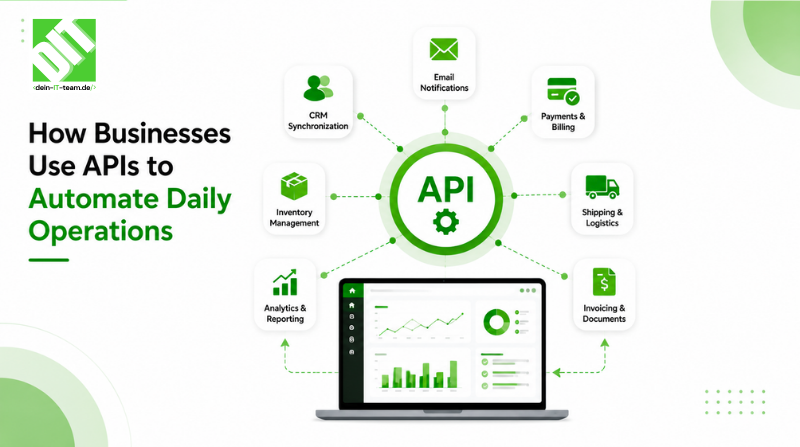
Learn how businesses leverage secure APIs and digital transformation solutions to automate daily workflows and remove data bottlenecks.
In a modern corporate landscape, companies rely heavily on distributed software networks to manage separate administrative, transactional, and customer-facing divisions. While adopting specialized software-as-a-service applications allows departments to solve localized problems quickly, a lack of central communication layers eventually leads to data fragmentation. When your internal databases, customer management tools, and supply chain applications operate in complete isolation, your scaling trajectory stalls under heavy administrative friction. Implementing comprehensive digital transformation solutions systematically links these isolated frameworks, converting loose software layers into an automated, highly efficient network that supports continuous business growth.
Key Takeaways
System Integration: Application Programming Interfaces link separate software applications, creating automated data pipelines that eliminate manual updates.
Operational Accuracy: Automating database communication loops removes human error risks, protecting financial ledger and inventory record integrity.
Turnaround Speed: Connecting consumer channels directly to backend logistics centers shortens client turnaround times exponentially.
Technical Asset Lifecycle: Modern connectivity protocols allow firms to extract data from legacy systems without requiring a high-risk core overhaul.
The Operational Drain of Fragmented Systems
When establishing an initial business footprint, modern founders naturally prioritize quick deployment, adopting standalone software tools to handle immediate administrative tasks. While these independent tools fulfill early operational requirements, they introduce massive back-office complexity once consumer transaction volumes begin to accelerate.
Without a centralized synchronization structure running between separate applications, employees find themselves acting as manual data bridges. Workers spend valuable corporate hours downloading spreadsheet attachments, re-keying customer information into separate client tracking boards, and manually modifying inventory levels. These manual execution patterns introduce costly handling errors, drain daily staff productivity, and slow down your overall corporate turnaround speed.
APIs eliminate this systemic bottleneck by serving as secure, automated data routers between isolated code networks. Rather than forcing manual data migration, custom integration channels trigger programmatic data handoffs instantly. This immediate synchronization removes operational friction, allowing executive squads to manage scaling corporate networks with complete accuracy and total peace of mind.
Furthermore, building smart interfaces often involves provisioning tokens for next-generation large language engines to handle back-office logic or client messaging. To learn exactly how to set up access for premium generative models safely, stakeholders can review our step-by-step documentation on How to Get a Claude API Key to seamlessly integrate private intelligence channels into your centralized software ecosystems.
3 Core Workflows Revolutionized by API Automation
True operational transformation relies on orchestrating data smoothly across your business framework. High-performance connection points streamline three critical corporate pipelines.
1. Unified Customer Relationship Splicing
When a prospective buyer submits an inquiry form through your consumer portal, API connections pass that lead record instantly to your internal sales management suite. The script automatically schedules follow-up tasks, creates a new client file, and alerts designated managers, bypassing manual intake delays entirely.
2. Automated Financial and Invoicing Loops
Modern accounting networks require continuous database updates to maintain corporate compliance metrics. Integration channels automatically pass transactional receipts from front-end checkout points straight to your primary accounting ledgers. This automated link reconciles balances, tracks operational revenue shifts, and updates tax profiles in real time.
3. Real-Time Supply Chain Synchronization
E-commerce and physical distribution environments rely on instant tracking metrics to prevent product shortages. Warehouse management endpoints pass stock tracking counts, dispatch milestones, and customs clearing notifications straight into centralized dashboards. This immediate communication flow ensures logistics networks adapt actively to marketplace demands.
Enhancing Long-Term Technical Moat and Asset Value
Constructing specialized connection layers does more than optimize your current quarterly productivity; it fundamentally elevates the balance sheet valuation of your corporate entity. Relying strictly on rigid off-the-shelf software tools means your business remains completely vulnerable to third-party feature changes, unexpected subscription hikes, and unalterable software boundaries.
Developing private, dedicated connection architectures eliminates this external vulnerability completely. Building standardized software links transforms your ongoing IT spending into a modular, proprietary technology framework. Deploying modern custom software solutions keeps your client portals incredibly responsive and your internal workflows entirely secure, positioning your brand as an independent industry leader fully prepared for rapid expansion.
Conclusion
Continuing to operate with fragmented, siloed data applications creates massive administrative roadblocks that directly drain annual corporate profits and stall market expansion. Transitioning your organization toward centralized cloud connectivity removes routine data bottlenecks, safeguards information security, and establishes a flexible technical blueprint optimized for rapid scaling. Partnering with a specialized team to implement custom system integration networks gives your enterprise total control over its information assets, turning your technical infrastructure into a high-value operational driver.
Frequently Asked Questions
What are the main benefits of using APIs to automate operations?
APIs connect your separate business applications into a single, automated network. This connectivity removes data silos, eliminates manual data entry tasks, and provides your management teams with real-time visibility across all corporate departments.
How do custom software integrations lower company overhead costs?
Custom software integrations automate repetitive data syncing tasks across finance, sales, and logistics suites. Removing manual handling errors minimizes administrative processing costs and frees up staff for high-value business development projects.
Can integration layers modernize legacy business software safely?
Yes. Custom connectivity layers allow developers to extract data from older legacy systems and pass it cleanly to modern web or mobile applications. This engineering focus extends the lifecycle of your existing technical assets without risking platform stability.
Recent Posts
September 24, 2026
September 30, 2026