

AI Integration in Business: Challenges and Practical Solutions

Learn key challenges of AI integration in business and practical solutions for successful implementation.
Introduction
Artificial Intelligence is no longer just a trendits becoming a core part of how modern businesses operate. But while many companies are eager to adopt AI, the real challenge lies in integrating it effectively into existing systems and workflows.
Understanding AI integration in business is not just about technology; its about aligning tools, data, and processes. Many organizations rely on ai development services to bridge this gap and implement AI solutions that actually deliver value.
In this guide, well explore the key challenges businesses face during AI integration and provide practical solutions to overcome them.
Key Takeaways
AI integration requires a clear strategy, not just tools
Data quality plays a critical role in AI success
Legacy systems can slow down implementation
Skilled expertise improves outcomes significantly
A phased approach reduces risk and increases efficiency
What is AI Integration in Business?
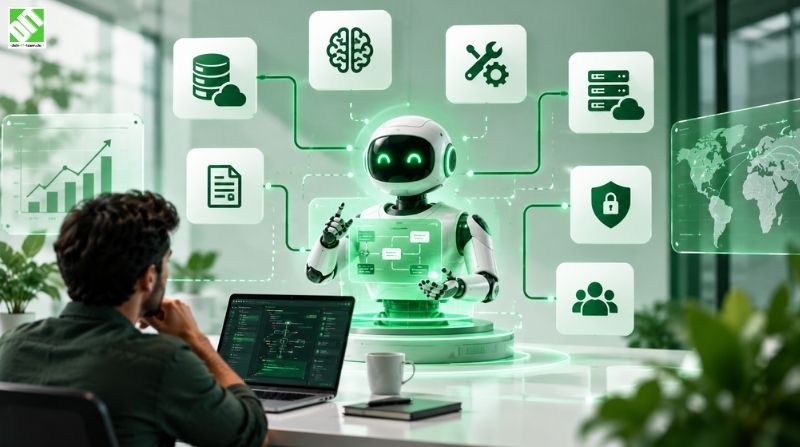
AI integration refers to embedding artificial intelligence capabilities into business systems, applications, and processes to improve efficiency, decision-making, and automation.
This includes use cases such as predictive analytics, intelligent automation, and AI-driven customer experiences. However, successful integration depends on having the right strategy, infrastructure, and execution plan.
Key Challenges in AI Integration
1. Poor Data Quality
AI systems rely heavily on data. If the data is incomplete, outdated, or inconsistent, the results become unreliable. Many businesses face this issue because their data is spread across multiple systems without proper structure.
2. Legacy Systems and Infrastructure
Older systems are often not compatible with modern AI technologies. Integrating AI into such environments can lead to technical challenges and delays.
3. Lack of Skilled Expertise
AI requires specialized knowledge in data science, machine learning, and system integration. Without the right expertise, businesses may struggle to implement effective solutions.
4. High Implementation Costs
AI projects can become expensive if not planned properly. Without clear goals, businesses may invest heavily without achieving meaningful results.
5. Resistance to Change
Employees may hesitate to adopt AI-driven processes due to lack of understanding or fear of change. This can slow down adoption and reduce overall effectiveness.
Practical Solutions for AI Integration
Start with Clear Business Goals
Define what you want to achieve with AI. Whether its improving efficiency, reducing costs, or enhancing customer experience, clear goals guide better decisions.
Improve Data Management
Ensure your data is clean, structured, and accessible. High-quality data is the foundation of successful AI implementation.
Implement AI in Phases
Start with small, high-impact use cases instead of large-scale deployment. This reduces risk and allows your team to adapt gradually.
Use Scalable Development Approaches
Modern businesses often integrate AI through flexible architectures and APIs. Many organizations rely on ai software development services to build scalable solutions that grow with their business needs.
Focus on Team Training
Educating employees about AI helps reduce resistance and improves adoption. When teams understand the benefits, implementation becomes smoother.
How AI Integration Drives Business Growth
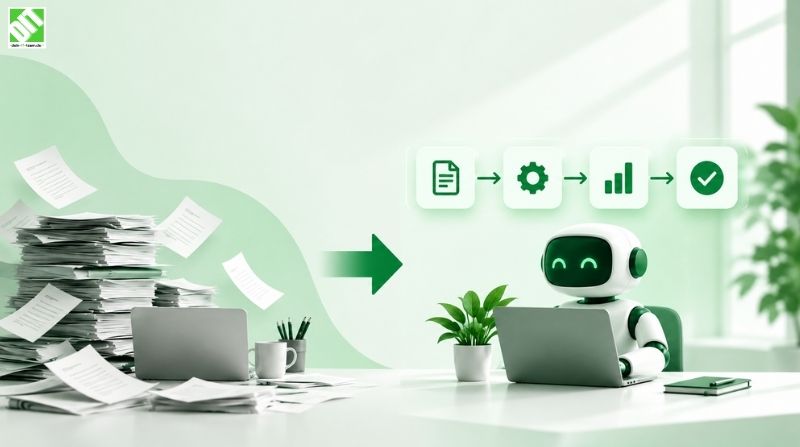
AI integration helps businesses operate more efficiently and make smarter decisions. It automates repetitive tasks, improves accuracy, and enables faster insights.
Organizations that invest in ai development services often gain a competitive advantage by transforming data into actionable intelligence and improving overall performance.
Common Misconceptions About AI Integration
AI Replaces Human Jobs
One of the biggest concerns around AI is that it will replace human workers. In reality, AI is designed to support employees, not replace them. It takes over repetitive and time-consuming tasks, allowing teams to focus on more strategic, creative, and high-value work. Businesses that use AI effectively often see improved productivity rather than job loss.
AI Works Instantly
Many people assume that AI delivers immediate results once implemented. However, AI systems require time, proper data, and continuous testing to perform effectively. They need to be trained, refined, and optimized over time. Without this process, the results may not be accurate or useful. Successful AI implementation is gradual, not instant.
Insights for Better Understanding
AI integration is not just about adding new technologyits about transforming how your business operates. Companies that succeed with AI focus on long-term value rather than quick wins.
To better understand how artificial intelligence is evolving in modern businesses, exploring how artificial intelligence is evolving in modern businesses can provide deeper insights into real-world adoption.
Conclusion
AI integration in business comes with challenges, but with the right strategy, it can unlock significant growth opportunities.
By focusing on data quality, starting with clear goals, and adopting a phased approach, businesses can successfully integrate AI into their operations. Leveraging ai software development services further ensures a smooth and scalable implementation process.
FAQs
1. What is AI integration in business?
AI integration involves embedding artificial intelligence into business systems to improve efficiency and decision-making.
2. What are the biggest challenges in AI integration?
Common challenges include poor data quality, legacy systems, high costs, and lack of expertise.
3. How can businesses successfully implement AI?
Start with clear goals, improve data quality, use a phased approach, and work with experienced AI development partners.
Recent Posts

September 14, 2026

September 22, 2026